Blog

  • Musk contre Altman semaine 3 : Elon Musk et Sam Altman échangent des coups sur la crédibilité de chacun. Le jury va maintenant choisir son camp.

    Au cours de la dernière semaine du procèsMusk c. Altman, les avocats ont échangé des coups sur la crédibilité d’Elon Musk et de Sam Altman, PDG d’OpenAI. Altman a été interrogé sur sa prétendue histoire de mensonge et self-dealing impliquant des entreprises qui font affaire avec OpenAI. Mais il a riposté, décrivant Musk comme un chercheur de pouvoir qui voulait contrôler le développement de l’intelligence artificielle générale (AGI), une IA puissante qui peut rivaliser avec les humains sur la plupart des tâches cognitives. 

    Comme preuve de leur engagement en faveur de la sécurité de l’IA, OpenAI a sorti un trophée d’or représentant une âne d’âne qui a été offert à un employé après qu’il ait été traité d’« crétin » pour avoir résisté aux projets de Musk de se lancer dans la course vers l’AGI. 

    Les avocats des deux parties ont également présenté leurs plaidoiries finales, en faisant flotter des photos peu flatteuses de Musk et Altman côte à côte sur un écran géant. L’avocat de Musk, Steven Molo, a fait valoir qu’Altman et le président d’OpenAI, Greg Brockman, n’avaient pas respecté leur promesse d’utiliser l’argent donné par Musk pour maintenir OpenAI en tant qu’organisation à but non lucratif développant l’IA au profit de l’humanité. Au lieu de cela, ils ont créé une filiale à but lucratif qui les a rendus extraordinairement riches.

    L’avocate d’OpenAI, Sarah Eddy, a fait valoir qu’Altman et Brockman n’avaient jamais promis de faire d’OpenAI une organisation à but non lucratif. Elle a ajouté que même si elle a été restructurée, OpenAI reste une organisation à but non lucratif dédiée au développement de l’IA en toute sécurité.

    Elle a affirmé que Musk avait intenté une action en justice trop tard et que sa véritable motivation était de saboter un concurrent de sa propre société d’IA, xAI, qu’il avait lancée en 2023. 

    Musk demande au tribunal d’annuler la restructuration de 2025 qui a transformé la filiale à but lucratif d’OpenAI en une société d’utilité publique et de retirer Altman et Brockman de leurs fonctions. Il demande également jusqu’à 134 milliards de dollars de dommages et intérêts d’OpenAI et de Microsoft, à attribuer à l’organisation à but non lucratif d’OpenAI. 

    Le jury commencera à délibérer lundi et rendra un verdict consultatif dès la semaine prochaine. Le verdict du jury ne lie pas le juge, qui tranchera l’affaire.

    Si le jugement tranche en faveur de Musk, cela pourrait bouleverser la course d’OpenAI vers une introduction en bourse à une valorisation approchant les 1 000 milliards de dollars. Pendant ce temps, xAI devrait être rendu public en tant que partie de la société de fusées SpaceX de Musk dès juin, avec une valorisation cible de 1,75 billion de dollars.

    Musk le chercheur de pouvoir, Altman le menteur.

    Au cours de la première semaine du procès, Musk a déclaré qu’il intentait une action en justice pour sauver la mission d’OpenAI consistant à construire une IA en toute sécurité pour le bénéfice de l’humanité. Cette semaine, Altman a nié que Musk était un paladin de la sécurité de l’IA et l’a décrit comme un chercheur de pouvoir souhaitant contrôler OpenAI. 

    Altman a déclaré au jury qu’en 2017, alors que Musk et d’autres cofondateurs discutaient de la création d’une branche à but lucratif, ils ont demandé à Musk ce qui arriverait à son contrôle sur une telle entité s’il décédait. “Peut-être que le contrôle d’OpenAI devrait être transmis à mes enfants”, a déclaré Musk, selon Altman.

    L’avocat de Musk a répliqué, interrogeant Altman sur son prétendu histoire de mensonge. Il a souligné que les anciens dirigeants d’OpenAI, Ilya Sutskever et Mira Murati, ainsi que les anciennes membres du conseil d’administration Helen Toner et Tasha McCauley, ont tous vérifié qu’Altman leur avait menti. En 2023, Altman a été brièvement licencié de son poste de PDG en raison du comportement présumé.

    Molo a également insisté auprès d’Altman au sujet de ses investissements personnels dans des startups qui font affaire avec OpenAI. Altman a vérifié qu’il avait essayé d’orienter OpenAI vers l’achat d’électricité auprès de la société d’énergie nucléaire Helion Energy, dont il possède un tiers.

    (Vendredi dernier, le comité de surveillance de la Chambre des représentants des États-Unis a lancé une enquête sur les conflits d’intérêts potentiels d’Altman. Les procureurs généraux de plus d’une demi-douzaine d’États ont demandé à la Securities and Exchange Commission de les examiner.)

    Lors de sa déclaration finale, Molo a de nouveau mis en avant la crédibilité d’Altman. « Imaginez que vous faites une randonnée et que vous tombez sur un de ces ponts en bois que vous voyez sur un sentier, et que vous traversez une gorge », a-t-il déclaré. « Une femme debout à l’entrée du pont dit : ‘Ne vous inquiétez pas, le pont est construit sur la version de la vérité de Sam Altman.’ Voudriez-vous traverser ce pont ? »

    Altman, qui était assis derrière ses avocats, levait les yeux avec inquiétude à chaque fois que son nom était prononcé. 

    Lors de sa plaidoirie finale, Eddy a riposté. Musk « ne s’est jamais soucié de la structure à but non lucratif », a-t-il déclaré. “Ce qui l’intéressait, c’était de gagner.” 

    Musc, cependant, était absent. Malgré l’ordonnance du juge selon laquelle il reste disponible, il s’est envolé pour la Chine avec le président Trump.

    Altman a-t-il promis de faire d’OpenAI une organisation à but non lucratif ?

    Au cours de sa plaidoirie finale, Eddy a soutenu qu’aucun témoignage ou preuve ne montrait de conditions sur les dons de Musk, ni de promesses faites par Altman et Brockman de maintenir l’entreprise à but non lucratif. “Aucun engagement ou promesse n’a été pris. Aucune restriction n’a été imposée aux dons de M. Musk”, a-t-elle déclaré.

    Eddy a ajouté qu’il était évident que Musk n’était pas vraiment déterminé à faire d’OpenAI une organisation à but non lucratif. Elle a noté qu’en 2017, il avait tenté de créer une filiale à but lucratif et avait mené une âpre bataille avec Altman et Brockman pour en prendre le contrôle.

    “Je n’étais pas opposé à l’existence d’une petite organisation à but lucratif qui finance une organisation à but non lucratif”, a déclaré Musk au jury plus tôt dans le procès, “tant que la queue ne remue pas le chien.” 

    Eddy a ensuite fait valoir que Musk avait intenté une action en justice trop tard, en 2024, après l’expiration des délais de prescription pour ses réclamations. En 2019, OpenAI a créé une filiale à but lucratif, dans le cadre de laquelle les employés et les investisseurs ont reçu un retour sur investissement plafonné. 

    Mais Musk a découvert qu’il avait découvert qu’OpenAI avait abandonné sa mission à but non lucratif seulement en 2022, lorsque Microsoft se préparait à investir 10 milliards de dollars dans OpenAI, un accord qui a été conclu en 2023. « J’ai été troublé de voir OpenAI avec une valorisation de 20 milliards de dollars », a-t-il envoyé un texto à Altman après avoir lu la nouvelle. “C’est un appât et un interrupteur.”

    Musk a déclaré au jury que la valorisation de 20 milliards de dollars lui avait fait comprendre que « le secteur à but lucratif est la queue qui remue le chien ». 

    « L’accord de 2023 était différent », a martelé Molo lors de sa plaidoirie finale.

    OpenAI est-il toujours une organisation à but non lucratif engagée dans sa mission ?

    Une question centrale soulevée au cours de la dernière semaine du procès était de savoir si OpenAI restait une organisation à but non lucratif engagée dans le développement d’AGI en toute sécurité pour le bénéfice de l’humanité. Eddy, l’avocat d’OpenAI, a fait valoir que l’organisation à but non lucratif contrôle toujours les organisations à but lucratif et cherche à « aider AGI à réussir pour l’humanité ». “L’organisation à but non lucratif OpenAI est l’organisation à but non lucratif la mieux dotée en ressources au monde”, grâce à l’organisation à but lucratif, a-t-elle ajouté.

    Molo a rétorqué que même si l’organisation à but non lucratif d’OpenAI contrôle théoriquement l’entreprise, elle ne le fait pas en pratique. Les organisations à but non lucratif et à but lucratif d’OpenAI sont contrôlées par les mêmes personnes : sept des huit membres du conseil d’administration de l’organisation à but non lucratif font partie du conseil d’administration de l’organisation à but lucratif. L’organisation à but non lucratif a embauché des employés seulement un mois avant le début de l’essai et ne travaille que dans l’octroi de subventions plutôt que dans la recherche sur l’IA. 

    Molo a diffusé une interview vidéo d’Altman disant que l’incapacité du conseil d’administration à but non lucratif à le licencier en 2023 était « son propre type d’échec en matière de gouvernance ».

    “Nous nous retrouvons avec cette organisation à but non lucratif qui n’a pas de voix”, a déclaré Jill Horwitz, professeur de droit à l’université Northwestern qui étudie les organisations à but non lucratif, au MIT Technology Review. “Il n’a pas beaucoup d’argent et OpenAI ne pense pas avoir l’obligation de le financer. Il a à peine du personnel”, dit-elle. “On ne sait pas vraiment comment l’organisation à but non lucratif est censée exercer ses fonctions et contrôler l’ensemble de l’entreprise.” 

    Les groupes de la société civile et les décideurs politiques ont s’est prononcé contre la restructuration d’OpenAI au fil des ans. Musk aussi, même si son propre enjeu dans la course à l’IA fait de lui un champion douteux de l’intérêt public. 

    « L’intérêt public dans l’organisation à but non lucratif y perd, peu importe qui gagne ou perd ce procès », déclare Horwitz.

    Jackass pour la sécurité de l’IA

    Malgré l’avertissement de la juge de district américaine Yvonne Gonzalez Rogers au cours de la première semaine selon lequel ce procès ne portait pas sur la sécurité de l’IA, la question a encore une fois volé la vedette. Tout au long du procès, les avocats des deux parties ont échangé des piques sur le antécédents de sécurité de ChatGPT (qui aurait causé des des suicides d’adolescents) et de Grok (qui a inondé X de porno).  

    Le dernier jour du témoignage, l’avocat d’OpenAI, Bradley Wilson, a remis au juge un petit trophée en or représentant un cul d’âne, sur lequel est inscrit : “N’arrêtez jamais d’être un crétin pour la sécurité.” 

    Le trophée appartenait à Joshua Achiam, futuriste en chef d’OpenAI. Il a vérifié qu’il avait prévenu, lorsque Musk a annoncé en 2018 qu’il quittait OpenAI pour se lancer dans la construction d’AGI, que la vitesse pourrait compromettre la sécurité. Musk a crié et l’a traité d’« crétin », a déclaré Achiam. Ses collègues, dont Dario Amodei, aujourd’hui PDG d’Anthropic, lui ont remis le trophée pour consacrer la dissidence.

    «Je n’en veux pas», a déclaré le juge.
    Les manigances se sont également répandues dans la rue. Devant le palais de justice d’Oakland, un manifestant a défilé portant un costume de Musk tenant un sac de kétamine et conduisant un Cybertruck. Un autre tenait une photo de Sam Altman et une affiche disant : “Arrêtez l’AGI ou nous allons tous mourir.”
    Aller à la source originale

  • 5 conseils de jardinage que vous pouvez essayer directement dans la recherche

    5 conseils de jardinage que vous pouvez essayer directement dans la recherche

    Nous avons rassemblé les principales façons d’utiliser le mode IA, la recherche en direct et les achats de Google pour aider vos plantes à prospérer.
    Accéder à la source d’origine

  • Musk vs. Altman, Woche 3: Elon Musk und Sam Altman streiten sich über die Glaubwürdigkeit des anderen. Nun wird sich die Jury für eine Seite entscheiden.

    In der letzten Woche des Prozesses Musk gegen Altman lieferten sich Anwälte einen Schlagabtausch über die Glaubwürdigkeit von Elon Musk und OpenAI-CEO Sam Altman. Altman wurde wegen seiner angeblichen Lügengeschichte und Eigenhandel, an dem Unternehmen beteiligt sind, die mit OpenAI Geschäfte machen. Aber er schlug zurück und stellte Musk als einen Machthungrigen dar, der die Entwicklung der künstlichen allgemeinen Intelligenz (AGI) kontrollieren wollte – einer leistungsstarken KI, die bei den meisten kognitiven Aufgaben mit Menschen konkurrieren kann. 

    Als Beweis für ihr Engagement für die KI-Sicherheit brachte OpenAI eine goldene Trophäe in Form eines Eselsarsches heraus, die einem Mitarbeiter geschenkt wurde, nachdem er als „Idiot“ bezeichnet wurde, weil er sich Musks Plänen widersetzt hatte, in Richtung AGI zu rennen. 

    Anwälte beider Seiten präsentierten auch ihre Schlussplädoyers und ließen wenig schmeichelhafte Fahndungsfotos von Musk und Altman nebeneinander auf einer riesigen Leinwand schweben. Musks Anwalt Steven Molo argumentierte, dass Altman und OpenAI-Präsident Greg Brockman ihr Versprechen gebrochen hätten, das von Musk gespendete Geld dafür zu verwenden, OpenAI als gemeinnützige Organisation zu erhalten, die KI zum Wohle der Menschheit entwickelt. Stattdessen gründeten sie eine gewinnorientierte Tochtergesellschaft, die sie außerordentlich reich machte.

    Die Anwältin von OpenAI, Sarah Eddy, argumentierte, dass Altman und Brockman nie versprochen hätten, OpenAI gemeinnützig zu halten. Sie fügte hinzu, dass OpenAI trotz der Umstrukturierung eine gemeinnützige Organisation bleibt, die sich der sicheren Entwicklung von KI widmet.

    Sie behauptete, Musk habe zu spät geklagt – und dass sein eigentliches Motiv darin bestehe, einen Konkurrenten seines eigenen KI-Unternehmens xAI zu sabotieren, das er 2023 gegründet habe. 

    Musk fordert das Gericht auf, die Umstrukturierung von 2025, die die gewinnorientierte Tochtergesellschaft von OpenAI in eine gemeinnützige Gesellschaft umwandelte, rückgängig zu machen und Altman und Brockman aus ihren Rollen zu entfernen. Er fordert außerdem Schadensersatz in Höhe von bis zu 134 Milliarden US-Dollar von OpenAI und Microsoft, der der gemeinnützigen Organisation von OpenAI zugesprochen werden soll. 

    Die Jury wird am Montag mit der Beratung beginnen und bereits nächste Woche ein beratendes Urteil fällen. Das Urteil der Jury ist für den Richter nicht bindend, er wird über den Fall entscheiden.

    Wenn die Jury zu Gunsten von Musk entscheidet, könnte dies den Wettlauf von OpenAI in Richtung eines Börsengangs mit einer Bewertung von annähernd 1 Billion US-Dollar auf den Kopf stellen. Unterdessen wird erwartet, dass xAI bereits im Juni als Teil von Musks Raketenunternehmen SpaceX an die Börse geht, mit einer angestrebten Bewertung von 1,75 Billionen US-Dollar.

    Musk, der Machtsucher, Altman, der Lügner.

    In der ersten Woche des Prozesses sagte Musk, er klagte, um die Mission von OpenAI zu retten, KI sicher zum Wohle der Menschheit aufzubauen. Diese Woche bestritt Altman, dass Musk ein Paladin der KI-Sicherheit sei, und stellte ihn als einen Machthungrigen dar, der OpenAI kontrollieren wollte. 

    Altman sagte der Jury, dass Musk und andere Mitbegründer im Jahr 2017, als sie über die Gründung eines gewinnorientierten Zweigs diskutierten, Musk fragten, was mit seiner Kontrolle über ein solches Unternehmen geschehen würde, wenn er stürbe. „Vielleicht sollte die Kontrolle über OpenAI auf meine Kinder übergehen“, sagte Musk laut Altman.

    Musks Anwalt gab zurück und kritisierte Altman wegen seiner angeblichen Geschichte des Lügens. Er wies darauf hin, dass die ehemaligen Führungskräfte von OpenAI, Ilya Sutskever und Mira Murati, sowie die ehemaligen Vorstandsmitglieder Helen Toner und Tasha McCauley alle bewiesen hätten, dass Altman sie angelogen habe. Im Jahr 2023 wurde Altman wegen des angeblichen Verhaltens kurzfristig entlassen als CEO.

    Molo drängte Altman auch auf seine persönlichen Investitionen in Start-ups, die mit OpenAI Geschäfte machen. Altman testete, dass er versuchte, OpenAI dazu zu bewegen, Strom vom Kernenergieunternehmen Helion Energy zu kaufen, an dem er ein Drittel besitzt.

    (Letzten Freitag hat der Aufsichtsausschuss des US-Repräsentantenhauses eine Untersuchung zu Altmans potenziellen Interessenkonflikten eingeleitet. Generalstaatsanwälte aus mehr als einem halben Dutzend Bundesstaaten haben die Securities and Exchange Commission aufgefordert, diese zu prüfen.)

    Während seiner Schlusserklärung stellte Molo Altmans Glaubwürdigkeit erneut unter Beweis. „Stellen Sie sich vor, Sie sind auf einer Wanderung und stoßen auf eine dieser Holzbrücken, die Sie auf einem Wanderweg sehen, und die führt über eine Schlucht“, sagte er. „Eine Frau, die am Eingang der Brücke steht, sagt: ‚Keine Sorge – die Brücke basiert auf Sam Altmans Version der Wahrheit.‘ Würden Sie über diese Brücke gehen?“

    Altman, der hinter seinen Anwälten saß, blickte jedes Mal unruhig auf, wenn sein Name erwähnt wurde. 

    Während ihres Schlussplädoyers schoss Eddy zurück. Musk habe sich „nie um die gemeinnützige Struktur gekümmert“, sagte er. „Was ihm am Herzen lag, war zu gewinnen.“ 

    Musk war jedoch abwesend. Trotz der Anordnung des Richters, dass er verfügbar bleibt, flog er mit Präsident Trump nach China.

    Hat Altman versprochen, OpenAI gemeinnützig zu halten?

    Während ihres Schlussplädoyers argumentierte Eddy, dass keine Zeugenaussagen oder Beweise irgendwelche Bedingungen für Musks Spenden oder irgendwelche Versprechen von Altman und Brockman zeigten, das Unternehmen gemeinnützig zu halten. „Es wurden keine Zusagen oder Versprechungen gemacht. Den Spenden von Herrn Musk wurden keine Beschränkungen auferlegt“, sagte sie.

    Eddy fügte hinzu, dass es offensichtlich sei, dass Musk nicht wirklich darauf bedacht sei, OpenAI als gemeinnützige Organisation zu erhalten. Sie bemerkte, dass er 2017 versuchte, eine gewinnorientierte Tochtergesellschaft zu gründen, und einen erbitterten Kampf mit Altman und Brockman um die Kontrolle darüber führte.

    „Ich hatte nichts dagegen, dass es eine kleine gemeinnützige Organisation gibt, die die gemeinnützige Organisation finanziert“, sagte Musk zu Beginn des Prozesses vor der Jury, „solange der Schwanz nicht mit dem Hund wedelt.“ 

    Eddy argumentierte dann, dass Musk zu spät geklagt und die Klage erst 2024 eingereicht habe, nachdem die Verjährungsfristen für seine Ansprüche abgelaufen seien. Im Jahr 2019 gründete OpenAI eine gewinnorientierte Tochtergesellschaft, bei der Mitarbeiter und Investoren eine begrenzte Rendite auf ihre Investition erhielten. 

    Aber Musk stellte fest, dass er herausgefunden hatte, dass OpenAI seine gemeinnützige Mission erst im Jahr 2022 aufgegeben hatte, als Microsoft sich darauf vorbereitete, 10 Milliarden US-Dollar in OpenAI zu investieren – ein Deal, der 2023 abgeschlossen wurde. „Ich war beunruhigt, OpenAI mit einer Bewertung von 20 Milliarden US-Dollar zu sehen“, schrieb er Altman eine SMS, nachdem er die Nachrichten gelesen hatte. „Das ist ein Köder und ein Schalter.“

    Musk sagte der Jury, dass ihm die 20-Milliarden-Dollar-Bewertung klar gemacht habe, dass „der Profit der Schwanz ist, der mit dem Hund wedelt“. 

    „Der Deal 2023 war anders“, betonte Molo in seinem Schlussplädoyer.

    Ist OpenAI immer noch eine gemeinnützige Organisation, die sich ihrer Mission verpflichtet fühlt?

    Eine zentrale Frage, die in der letzten Prozesswoche aufgeworfen wurde, war, ob OpenAI weiterhin eine gemeinnützige Organisation ist, die sich für die sichere Entwicklung von AGI zum Wohle der Menschheit einsetzt. Eddy, der OpenAI-Anwalt, argumentierte, dass die gemeinnützige Organisation immer noch die gewinnorientierten Organisationen kontrolliert und versucht, „AGI dabei zu helfen, sich für die Menschheit positiv zu entwickeln“. „Die gemeinnützige Organisation OpenAI ist dank der gemeinnützigen Organisation die am besten ausgestattete gemeinnützige Organisation der Welt“, fügte sie hinzu.

    Molo entgegnete, dass die gemeinnützige Organisation OpenAI zwar nominell das Unternehmen kontrolliere, dies jedoch in der Praxis nicht tue. Die gemeinnützigen und gewinnorientierten Organisationen von OpenAI werden von denselben Personen kontrolliert – sieben der acht Vorstandsmitglieder der gemeinnützigen Organisation sind im Vorstand der gewinnorientierten Organisation. Die gemeinnützige Organisation stellte erst einen Monat vor Beginn des Versuchs Mitarbeiter ein und arbeitet ausschließlich in der Gewährung von Zuschüssen und nicht in der KI-Forschung. 

    Molo spielte ein Videointerview mit Altman ab und sagte, dass das Versäumnis des gemeinnützigen Vorstands, ihn im Jahr 2023 zu entlassen, „eine eigene Art von Governance-Versagen“ sei.

    „Uns bleibt diese gemeinnützige Organisation, die keine Stimme hat“, sagte Jill Horwitz, Rechtsprofessorin an der Northwestern University, die sich mit gemeinnützigen Organisationen befasst, gegenüber MIT Technology Review. „Es hat nicht viel Geld und OpenAI glaubt nicht, dass es verpflichtet ist, es zu finanzieren. Es hat kaum Personal“, sagt sie. „Es ist unklar, wie um alles in der Welt die gemeinnützige Organisation ihre Pflichten erfüllen und das gesamte Unternehmen kontrollieren soll.“ 

    Zivilgesellschaftliche Gruppen und politische Entscheidungsträger haben sich gegen die Umstrukturierung von OpenAI im Laufe der Jahre ausgesprochen. Das gilt auch für Musk, obwohl sein eigener Anteil am KI-Wettbewerb ihn zu einem zweifelhaften Verfechter des öffentlichen Interesses macht. 

    „Das öffentliche Interesse an der gemeinnützigen Organisation verliert, egal wer diesen Prozess gewinnt oder verliert“, sagt Horwitz.

    Jackass für KI-Sicherheit

    Trotz der Warnung der US-Bezirksrichterin Yvonne Gonzalez Rogers in der ersten Woche, dass es in diesem Prozess nicht um die KI-Sicherheit ging, stahl das Thema erneut die Show. Während des gesamten Prozesses tauschten die Anwälte beider Seiten Widersprüche aus Sicherheitsbilanzen von ChatGPT (das angeblich Selbstmorde von Teenagern verursacht hat) und Grok (das überschwemmt hat X mit Porno).  

    Am letzten Tag der Aussage überreichte der Anwalt von OpenAI, Bradley Wilson, dem Richter eine kleine goldene Trophäe in Form eines Eselsarschs mit der Aufschrift: „Hören Sie aus Sicherheitsgründen nie auf, ein Esel zu sein.“ 

    Die Trophäe gehörte Joshua Achiam, dem Chef-Futuristen von OpenAI. Er testete, dass er gewarnt hatte, als Musk 2018 ankündigte, dass er OpenAI verlassen würde, um sich auf den Aufbau von AGI zu konzentrieren, dass Geschwindigkeit die Sicherheit gefährden könnte. Musk warf ihn auf und nannte ihn einen „Idioten“, sagte Achiam. Seine Kollegen, darunter Dario Amodei, jetzt CEO von Anthropic, überreichten ihm die Trophäe, um den Dissidenten zu verewigen.

    „Ich will es nicht“, sagte der Richter.
    Die Spielereien breiteten sich auch auf der Straße aus. Vor dem Gerichtsgebäude von Oakland marschierte ein Demonstrant in einem Kostüm von Musk herum, hielt eine Tüte Ketamin in der Hand und fuhr einen Cybertruck. Ein anderer hielt ein Foto von Sam Altman und ein Poster mit der Aufschrift „Stoppt AGI, sonst sterben wir alle.“

    Zur Originalquelle gehen

  • 5 Gartentipps, die Sie direkt in der Suche ausprobieren können

    5 Gartentipps, die Sie direkt in der Suche ausprobieren können

    Wir haben die besten Möglichkeiten zusammengestellt, wie Sie den KI-Modus, Search Live und Shopping von Google nutzen können, um Ihren Pflanzen zum Gedeihen zu verhelfen.

    Zur Originalquelle gehen

  • 5 gardening tips you can try right in Search

    5 gardening tips you can try right in Search

    We’ve rounded up the top ways you can use Google’s AI Mode, Search Live and Shopping to help your plants thrive.

    Go to Original Source

  • Musk v. Altman week 3: Elon Musk and Sam Altman trade blows over each other’s credibility. Now the jury will pick a side.

    In the final week of theMusk v. Altmantrial, lawyers traded blows over Elon Musk’s and OpenAI CEO Sam Altman’s credibility. Altman was grilled on his alleged history of lying and self-dealing involving companies that do business with OpenAI. But he fired back, painting Musk as a power-seeker who wanted to control the development of artificial general intelligence (AGI)—powerful AI that can compete with humans on most cognitive tasks. 

    As evidence of their commitment to AI safety, OpenAI brought out a golden trophy of a donkey’s ass that was gifted to an employee after he was called a “jackass” for standing up to Musk’s plans to race toward AGI. 

    Lawyers for both sides also presented their closing arguments, floating unflattering mugshot-style photos of Musk and Altman next to each other on a giant screen. Musk’s lawyer Steven Molo argued that Altman and OpenAI president Greg Brockman broke their promise to use money Musk donated to maintain OpenAI as a nonprofit that develops AI for the benefit of humanity. Instead, they created a for-profit subsidiary that made them extraordinarily wealthy.

    OpenAI’s lawyer Sarah Eddy argued that Altman and Brockman never promised to keep OpenAI a nonprofit. She added that even though it’s been restructured, OpenAI remains a nonprofit dedicated to developing AI safely.

    She claimed that Musk sued too late—and that his real motivated is to sabotage a competitor to his own AI company, xAI, which he launched in 2023. 

    Musk is asking the court to unwind the 2025 restructuring that converted OpenAI’s for-profit subsidiary into a public benefit corporation and to remove Altman and Brockman from their roles. He is also seeking as much as $134 billion in damages from OpenAI and Microsoft, to be awarded to OpenAI’s nonprofit. 

    The jury will begin deliberating on Monday and deliver an advisory verdict as soon as next week. The jury verdict is not binding on the judge, who will decide the case.

    If the judging rules in Musk’s favor, it could upend OpenAI’s race toward an IPO at a valuation approaching $1 trillion. Meanwhile, xAI is expected to go public as a part of Musk’s rocket company SpaceX as early as June, at a target valuation of $1.75 trillion.

    Musk the power-seeker, Altman the liar.

    In the first week of the trial, Musk said he was suing to save OpenAI’s mission to build AI safely for the benefit of humanity. This week, Altman denied Musk was a paladin of AI safety and painted him as a power-seeker who wanted to control OpenAI. 

    Altman told the jury that in 2017, when Musk and other cofounders were discussing creating a for-profit arm, they asked Musk what would happen to his control over such an entity if he died. “Maybe the control of OpenAI should pass to my children,” Musk said, according to Altman.

    Musk’s lawyer shot back, grilling Altman on his alleged history of lying. He pointed out that OpenAI’s former executives Ilya Sutskever and Mira Murati, and former board members Helen Toner and Tasha McCauley, all tested that Altman had lied to them. In 2023, Altman was briefly fired as CEO over the alleged behavior.

    Molo also pressed Altman about his personal investments in startups that do business with OpenAI. Altman tested that he tried to steer OpenAI to buying power from the nuclear energy company Helion Energy, a third of which he owns.

    (Last Friday, the US House oversight committee launched an investigation into Altman’s potential conflicts of interest. Attorneys general from more than a half-dozen states called for the Securities and Exchange Commission to review them.)

    During his closing statement, Molo put Altman’s credibility on the stand again. “Imagine that you’re on a hike, and you come upon one of those wooden bridges that you see on a trail, and it’s over a gorge,” he said. “A woman standing by the entry to the bridge says, ‘Don’t worry—the bridge is built on Sam Altman’s version of the truth.’ Would you walk across that bridge?”

    Altman, who sat behind his lawyers, looked up uneasily every time his name was mentioned. 

    During her closing argument, Eddy fired back. Musk “never cared about the nonprofit structure,” he said. “What he cared about was winning.” 

    Musk, though, was absent. Despite the judge’s order that he remains available, he flew to China with President Trump.

    Did Altman promise to keep OpenAI a nonprofit?

    During her closing argument, Eddy argued that no testimony or evidence showed any conditions on Musk’s donations, or any promises made by Altman and Brockman to keep the company a nonprofit. “No commitments or promises were made. No restrictions were placed on Mr. Musk’s donations,” she said.

    Eddy added that it was evident Musk wasn’t truly committed to keeping OpenAI a nonprofit. She noted that in 2017, he tried to create a for-profit subsidiary and fought a bitter battle with Altman and Brockman to have control over it.

    “I was not opposed to there being a small for-profit that provides funding to the nonprofit,” Musk told the jury earlier in the trial, “as long as the tail didn’t wag the dog.” 

    Eddy then argued that Musk sued too late, filing in 2024 after the statutes of limitations on his claims ran out. In 2019, OpenAI created a for-profit subsidiary, under which employees and investors received a capped return on their investment. 

    But Musk tested that he discovered OpenAI had abandoned its nonprofit mission only in 2022, when Microsoft was preparing to invest $10 billion in OpenAI—a deal that closed in 2023. “I was disturbed to see OpenAI with a $20B valuation,” he texted Altman after reading the news. “This is a bait and switch.”

    Musk told the jury that the $20 billion valuation made him realize “the for-profit is the tail wagging the dog.” 

    “The 2023 deal was different,” Molo hammered home during his closing argument.

    Is OpenAI still a nonprofit committed to its mission?

    A central question raised in the last week of trial was whether OpenAI remains a nonprofit committed to developing AGI safely for the benefit of humanity. Eddy, the OpenAI lawyer, argued that the nonprofit still controls the for-profit and seeks to “help AGI turn out well for humanity.” “The OpenAI nonprofit is the best-resourced nonprofit in the world,” thanks to the for-profit, she added.

    Molo countered that while the OpenAI’s nonprofit nominally controls the company, it does not do so in practice. OpenAI’s nonprofit and for-profit are controlled by the same people—seven of the nonprofit’s eight board members are on the for-profit’s board. The nonprofit hired employees only a month before the trial started and does work only in grant-making rather than AI research. 

    Molo played a video interview of Altman saying that the nonprofit board’s failure to fire him in 2023 was “its own kind of governance failure.”

    “We’re left with this nonprofit that doesn’t have any voice,” Jill Horwitz, a law professor at Northwestern University who studies nonprofits, told MIT Technology Review. “It doesn’t have much money, and OpenAI doesn’t think it has any obligation to fund it. It barely has a staff,” she says. “It’s unclear how on earth the nonprofit is supposed to exercise its duties and control the entire company.” 

    Civil society groups and policymakers have spoken out against OpenAI’s restructuring over the years. So has Musk, although his own stake in the AI ​​race makes him a dubious champion for the public interest. 

    “The public interest in the nonprofit loses, no matter who wins or loses this trial,” says Horwitz.

    Jackass for AI safety

    Despite US District Judge Yvonne Gonzalez Rogers’ warning during the first week that this trial was not about AI safety, the issue stole the show again. Throughout the trial, the lawyers from both sides traded barbs over the safety track records of ChatGPT (which has allegedly caused teen suicides) and Grok (which has flooded X with porn).  

    On the last day of testimony, OpenAI’s lawyer Bradley Wilson handed the judge a small golden trophy of a donkey’s ass, inscribed: “Never stop being a jackass for safety.” 

    The trophy belonged to Joshua Achiam, OpenAI’s chief futurist. He tested that he’d warned, when Musk announced in 2018 that he was leaving OpenAI to race toward building AGI, that speed could compromise safety. Musk snapped and called him a “jackass,” said Achiam. His colleagues, including Dario Amodei, now CEO of Anthropic, gave him the trophy to enshrine the diss.

    “I don’t want it,” said the judge.
    The shenanigans spilled out into the street too. In front of the Oakland courthouse, a protester paraded around wearing a costume of Musk holding a bag of ketamine and driving a Cybertruck. Another held a photo of Sam Altman and a poster reading, “Stop AGI or we’re all gonna die.”

    Go to Original Source

  • 5 gardening tips you can try right in Search

    5 gardening tips you can try right in Search

    We’ve rounded up the top ways you can use Google’s AI Mode, Search Live and Shopping to help your plants thrive.

    Orijinal Kaynağa Git

  • Musk v. Altman week 3: Elon Musk and Sam Altman traded blows over each other’s credibility. Now the jury will pick a side.

    In the final week of the Musk v. Altman trial, lawyers traded blows over Elon Musk’s and OpenAI CEO Sam Altman’s credibility. Altman was grilled on his alleged history of lying and self-dealing involving companies that do business with OpenAI. But he fired back, painting Musk as a power-seeker who wanted to control the development of artificial general intelligence (AGI)—powerful AI that can compete with humans on most cognitive tasks. 

    As evidence of their commitment to AI safety, OpenAI brought out a golden trophy of a donkey’s ass that was gifted to an employee after he was called a “jackass” for standing up to Musk’s plans to race toward AGI. 

    Lawyers for both sides also presented their closing arguments, floating unflattering mugshot-style photos of Musk and Altman next to each other on a giant screen. Musk’s lawyer Steven Molo argued that Altman and OpenAI president Greg Brockman broke their promise to use money Musk donated to maintain OpenAI as a nonprofit that develops AI for the benefit of humanity. Instead, they created a for-profit subsidiary that made them extraordinarily wealthy.

    OpenAI’s lawyer Sarah Eddy argued that Altman and Brockman never promised to keep OpenAI a nonprofit. She added that even though it’s been restructured, OpenAI remains a nonprofit dedicated to developing AI safely.

    She claimed that Musk sued too late—and that his real motive is to sabotage a competitor to his own AI company, xAI, which he launched in 2023. 

    Musk is asking the court to unwind the 2025 restructuring that converted OpenAI’s for-profit subsidiary into a public benefit corporation and to remove Altman and Brockman from their roles. He is also seeking as much as $134 billion in damages from OpenAI and Microsoft, to be awarded to OpenAI’s nonprofit. 

    The jury will begin deliberating on Monday and deliver an advisory verdict as soon as next week. The jury verdict is not binding on the judge, who will decide the case.

    If the judge rules in Musk’s favor, it could upend OpenAI’s race toward an IPO at a valuation approaching $1 trillion. Meanwhile, xAI is expected to go public as a part of Musk’s rocket company SpaceX as early as June, at a target valuation of $1.75 trillion.

    Musk the power-seeker, Altman the liar.

    In the first week of the trial, Musk said he was suing to save OpenAI’s mission to build AI safely for the benefit of humanity. This week, Altman denied Musk was a paladin of AI safety and painted him as a power-seeker who wanted to control OpenAI. 

    Altman told the jury that in 2017, when Musk and other cofounders were discussing creating a for-profit arm, they asked Musk what would happen to his control over such an entity if he died. “Maybe the control of OpenAI should pass to my children,” Musk said, according to Altman.

    Musk’s lawyer shot back, grilling Altman on his alleged history of lying. He pointed out that OpenAI’s former executives Ilya Sutskever and Mira Murati, and former board members Helen Toner and Tasha McCauley, all testified that Altman had lied to them. In 2023, Altman was briefly fired as CEO over the alleged behavior.

    Molo also pressed Altman about his personal investments in startups that do business with OpenAI. Altman testified that he tried to steer OpenAI to buying power from the nuclear energy company Helion Energy, a third of which he owns.

    (Last Friday, the US House oversight committee launched an investigation into Altman’s potential conflicts of interest. Attorneys general from more than a half-dozen states called for the Securities and Exchange Commission to review them.)

    During his closing statement, Molo put Altman’s credibility on the stand again. “Imagine that you’re on a hike, and you come upon one of those wooden bridges that you see on a trail, and it’s over a gorge,” he said. “A woman standing by the entry to the bridge says, ‘Don’t worry—the bridge is built on Sam Altman’s version of the truth.’ Would you walk across that bridge?”

    Altman, who sat behind his lawyers, looked up uneasily every time his name was mentioned. 

    During her closing argument, Eddy fired back. Musk “never cared about the nonprofit structure,” she said. “What he cared about was winning.” 

    Musk, though, was absent. Despite the judge’s order that he remain available, he flew to China with President Trump.

    Did Altman promise to keep OpenAI a nonprofit?

    During her closing argument, Eddy argued that no testimony or evidence showed any conditions on Musk’s donations, or any promises made by Altman and Brockman to keep the company a nonprofit. “No commitments or promises were made. No restrictions were placed on Mr. Musk’s donations,” she said.

    Eddy added that it was evident Musk wasn’t truly committed to keeping OpenAI a nonprofit. She noted that in 2017, he tried to create a for-profit subsidiary and fought a bitter battle with Altman and Brockman to have control over it.

    “I was not opposed to there being a small for-profit that provides funding to the nonprofit,” Musk told the jury earlier in the trial, “as long as the tail didn’t wag the dog.” 

    Eddy then argued that Musk sued too late, filing in 2024 after the statutes of limitations on his claims ran out. In 2019, OpenAI created a for-profit subsidiary, under which employees and investors received a capped return on their investment. 

    But Musk testified that he discovered OpenAI had abandoned its nonprofit mission only in 2022, when Microsoft was preparing to invest $10 billion in OpenAI—a deal that closed in 2023. “I was disturbed to see OpenAI with a $20B valuation,” he texted Altman after reading the news. “This is a bait and switch.”

    Musk told the jury that the $20 billion valuation made him realize “the for-profit is the tail wagging the dog.” 

    “The 2023 deal was different,” Molo hammered home during his closing argument.

    Is OpenAI still a nonprofit committed to its mission?

    A central question raised in the last week of trial was whether OpenAI remains a nonprofit committed to developing AGI safely for the benefit of humanity. Eddy, the OpenAI lawyer, argued that the nonprofit still controls the for-profit and seeks to “help AGI turn out well for humanity.” “The OpenAI nonprofit is the best-resourced nonprofit in the world,” thanks to the for-profit, she added.

    Molo countered that while the OpenAI’s nonprofit nominally controls the company, it does not do so in practice. OpenAI’s nonprofit and for-profit are controlled by the same people—seven of the nonprofit’s eight board members are on the for-profit’s board. The nonprofit hired employees only a month before the trial started and does work only in grant-making rather than AI research. 

    Molo played a video interview of Altman saying that the nonprofit board’s failure to fire him in 2023 was “its own kind of governance failure.”

    “We’re left with this nonprofit that doesn’t have any voice,” Jill Horwitz, a law professor at Northwestern University who studies nonprofits, told MIT Technology Review. “It doesn’t have much money, and OpenAI doesn’t think it has any obligation to fund it. It barely has a staff,” she says. “It’s unclear how on earth the nonprofit is supposed to exercise its duties and control the entire company.” 

    Civil society groups and policymakers have spoken out against OpenAI’s restructuring over the years. So has Musk, although his own stake in the AI race makes him a dubious champion for the public interest. 

    “The public interest in the nonprofit loses, no matter who wins or loses this trial,” says Horwitz.

    Jackass for AI safety

    Despite US District Judge Yvonne Gonzalez Rogers’s warning during the first week that this trial was not about AI safety, the issue stole the show again. Throughout the trial, the lawyers from both sides traded barbs over the safety track records of ChatGPT (which has allegedly caused teen suicides) and Grok (which has flooded X with porn).  

    On the last day of testimony, OpenAI’s lawyer Bradley Wilson handed the judge a small golden trophy of a donkey’s ass, inscribed: “Never stop being a jackass for safety.” 

    The trophy belonged to Joshua Achiam, OpenAI’s chief futurist. He testified that he’d warned, when Musk announced in 2018 that he was leaving OpenAI to race toward building AGI, that speed could compromise safety. Musk snapped and called him a “jackass,” said Achiam. His colleagues, including Dario Amodei, now CEO of Anthropic, gave him the trophy to enshrine the diss.

    “I don’t want it,” said the judge.
    The shenanigans spilled out into the street too. In front of the Oakland courthouse, a protester paraded around wearing a costume of Musk holding a bag of ketamine and driving a Cybertruck. Another held a photo of Sam Altman and a poster reading, “Stop AGI or we’re all gonna die.”

    Orijinal Kaynağa Git

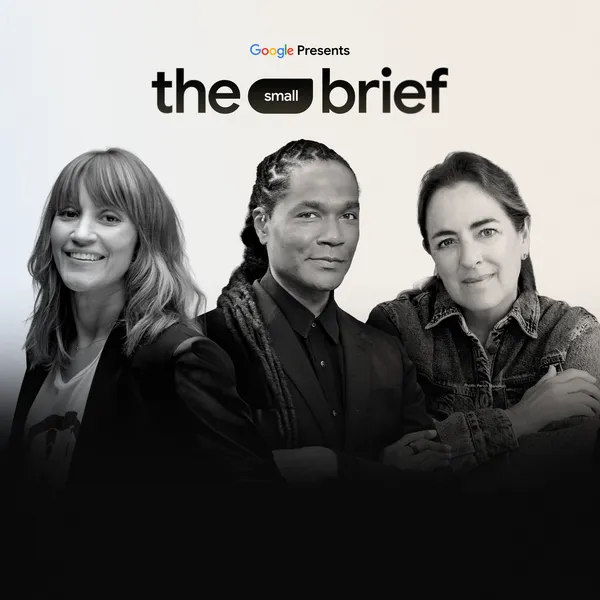
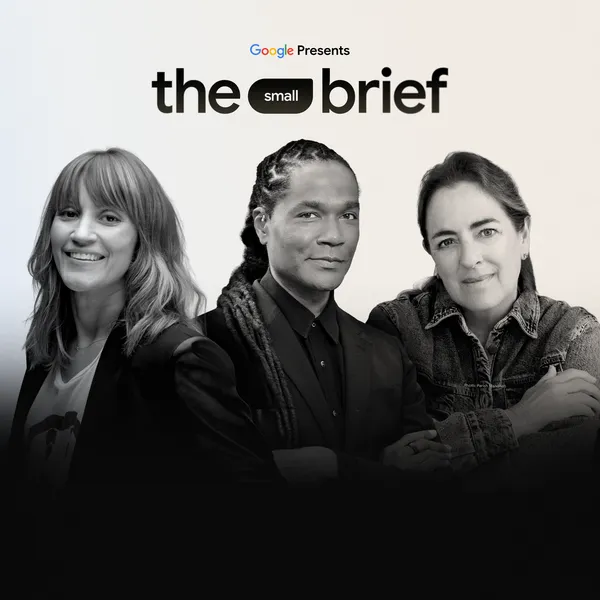
  • Découvrez ce qui se passe lorsque des légendes créatives utilisent l’IA pour créer des publicités pour les petites entreprises.

    Découvrez ce qui se passe lorsque des légendes créatives utilisent l’IA pour créer des publicités pour les petites entreprises.

    Aujourd’hui, nous lançons The Small Brief, une initiative réunissant trois icônes de l’industrie publicitaire pour défendre les entreprises locales qu’elles aiment. Leur mission est de construire du break…

    Accéder à la source d’origine

  • Sehen Sie, was passiert, wenn kreative Legenden KI verwenden, um Anzeigen für kleine Unternehmen zu erstellen.

    Sehen Sie, was passiert, wenn kreative Legenden KI verwenden, um Anzeigen für kleine Unternehmen zu erstellen.

    Heute starten wir The Small Brief, eine Initiative, die drei Ikonen der Werbebranche zusammenbringt, um sich für lokale Unternehmen einzusetzen, die sie lieben. Ihre Mission ist es, Pausen aufzubauen …

    Zur Originalquelle gehen