Blog

  • Établir la souveraineté de l’IA et des données à l’ère des systèmes autonomes

    Établir la souveraineté de l’IA et des données à l’ère des systèmes autonomes

    Lorsque l’IA générative est passée des laboratoires de recherche aux applications commerciales réelles, les entreprises ont conclu un accord tacite : “Capacité maintenant, contrôle plus tard.” Introduisez vos données propriétaires dans des modèles d’IA tiers et vous obtiendrez des résultats puissants. Mais vos données transitent par des systèmes dont vous ne possédez pas, sous une gouvernance que vous ne définissez pas. Les protections sur lesquelles vous comptez sont aussi durables que la prochaine mise à jour de la politique du fournisseur.

    Aujourd’hui, avec l’IA générative établie dans les opérations commerciales quotidiennes et les nouveaux systèmes sophistiqués d’IA agentique qui progressent chaque jour, les entreprises réévaluent les termes de cet accord.

    « Les données sont en réalité une nouvelle monnaie ; c’est la propriété intellectuelle pour de nombreuses entreprises », déclare Kevin Dallas, PDG d’EDB, faisant écho à l’inquiétude récurrente des clients. “La grande préoccupation est la suivante : si vous déployez une application basée sur l’IA avec un modèle de langage étendu basé sur le cloud, perdez-vous votre propriété intellectuelle ? Perdez-vous votre position concurrentielle ?”

    Cette question alimente désormais un mouvement visant à récupérer à la fois les données et les systèmes d’IA, qui sont rapidement devenus partie intégrante de l’infrastructure de base des entreprises. La souveraineté de l’IA et des données, qui consiste à rompre la dépendance à l’égard des fournisseurs centralisés et à établir un véritable contrôle sur les modèles et les parcs de données, constitue une priorité urgente pour de nombreuses entreprises, déclare Dallas, citant les données internes d’EDB : “70 % des dirigeants mondiaux pensent qu’ils ont besoin d’une plateforme souveraine de données et d’IA pour réussir.”

    L’idée de la souveraineté de l’IA est en train de devenir un débat politique mondial. Jensen Huang, PDG de NVIDIA, a récemment évoqué la nécessité d’un tel changement lors de la réunion annuelle du Forum économique mondial à Davos en janvier 2026 : “Je crois vraiment que chaque pays devrait s’impliquer pour construire une infrastructure d’IA, construire sa propre IA, tirer parti de sa ressource naturelle fondamentale – qui est votre langue et votre culture – développer votre IA, continuer à l’affiner et faire en sorte que votre intelligence nationale fasse partie de votre écosystème.”

    Ce rapport explore la manière dont les entreprises recherchent la souveraineté sur leurs modèles et leurs parcs de données à une époque d’adoption rapide de l’IA. S’appuyant sur une enquête menée par EDB auprès de plus de 2 050 cadres supérieurs et une série d’entretiens avec des experts du secteur, l’étude confirme que le mouvement souverainiste au niveau des entreprises est déjà bien engagé.

    Téléchargez le rapport.

    Ce contenu a été produit par Insights, la branche de contenu personnalisé du MIT Technology Review. Il n’a pas été rédigé par l’équipe éditoriale du MIT Technology Review. Il a été recherché, conçu et écrit par des écrivains, éditeurs, analystes et illustrateurs humains. Cela comprend la rédaction d’enquêtes et la collecte de données pour les enquêtes. Les outils d’IA qui ont pu être utilisés étaient limités aux processus de production secondaires qui ont passé un examen humain approfondi.
    Aller à la source d’origine

  • Etablierung von KI und Datensouveränität im Zeitalter autonomer Systeme

    Etablierung von KI und Datensouveränität im Zeitalter autonomer Systeme

    Als die generative KI erstmals aus Forschungslaboren in reale Geschäftsanwendungen überging, schlossen Unternehmen einen stillschweigenden Handel: „Fähigkeit jetzt, Kontrolle später.“ Geben Sie Ihre proprietären Daten in KI-Modelle von Drittanbietern ein und Sie erhalten aussagekräftige Ergebnisse. Ihre Daten durchlaufen jedoch Systeme, die Ihnen nicht gehören und deren Governance Sie nicht festlegen. Der Schutz, auf den Sie sich verlassen, ist nur so dauerhaft wie die nächste Richtlinienaktualisierung des Anbieters.

    Jetzt, da generative KI in alltäglichen Geschäftsabläufen etabliert ist und jeden Tag hochentwickelte neue Agenten-KI-Systeme weiterentwickelt werden, bewerten Unternehmen die Bedingungen dieser Vereinbarung neu.

    „Daten sind wirklich eine neue Währung; sie sind das geistige Eigentum vieler Unternehmen“, sagt Kevin Dallas, CEO von EDB, und greift damit die wiederkehrende Besorgnis von Kunden auf. „Die große Sorge ist: Wenn Sie eine KI-gestützte Anwendung mit einem cloudbasierten großen Sprachmodell bereitstellen, verlieren Sie dann Ihr geistiges Eigentum? Verlieren Sie Ihre Wettbewerbsposition?“

    Diese Frage treibt nun eine Bewegung voran, die darauf abzielt, sowohl die Daten als auch die KI-Systeme zurückzugewinnen, die schnell zu einem Teil der Kerngeschäftsinfrastruktur geworden sind. KI und Datensouveränität, die sich auf die Überwindung der Abhängigkeit von zentralisierten Anbietern und die Etablierung einer echten Kontrolle über Modelle und Datenbestände bezieht, sind für viele Unternehmen eine dringende Priorität, sagt Dallas und verweist auf interne EDB-Daten: „70 % der globalen Führungskräfte glauben, dass sie eine souveräne Daten- und KI-Plattform benötigen, um erfolgreich zu sein.“

    Die Idee der KI-Souveränität wird zu einem globalen politischen Gespräch. Jensen Huang, CEO von NVIDIA, sprach kürzlich auf der Jahrestagung des Weltwirtschaftsforums in Davos im Januar 2026 über die Notwendigkeit eines solchen Wandels: „Ich bin wirklich davon überzeugt, dass jedes Land sich engagieren sollte, um eine KI-Infrastruktur aufzubauen, seine eigene KI aufzubauen, seine grundlegende natürliche Ressource – nämlich seine Sprache und Kultur – zu nutzen, seine KI zu entwickeln, sie weiter zu verfeinern und seine nationale Intelligenz zu einem Teil seines Ökosystems zu machen.“

    In diesem Bericht wird untersucht, wie Unternehmen im Zeitalter der schnellen KI-Einführung die Souveränität über ihre Modelle und Datenbestände anstreben. Basierend auf einer von EDB durchgeführten Umfrage unter mehr als 2.050 Führungskräften und einer Reihe von Interviews mit Branchenexperten bestätigt die Studie, dass die Souveränitätsbewegung auf Unternehmensebene bereits in vollem Gange ist.

    Laden Sie den herunter Bericht.

    Dieser Inhalt wurde von Insights erstellt, dem Bereich für kundenspezifische Inhalte von MIT Technology Review. Es wurde nicht von der Redaktion des MIT Technology Review verfasst. Es wurde von menschlichen Autoren, Redakteuren, Analysten und Illustratoren recherchiert, entworfen und geschrieben. Dazu gehört das Verfassen von Umfragen und das Sammeln von Daten für Umfragen. Möglicherweise eingesetzte KI-Tools beschränkten sich auf sekundäre Produktionsprozesse, die einer gründlichen menschlichen Überprüfung unterzogen wurden.

    Zur Originalquelle gehen

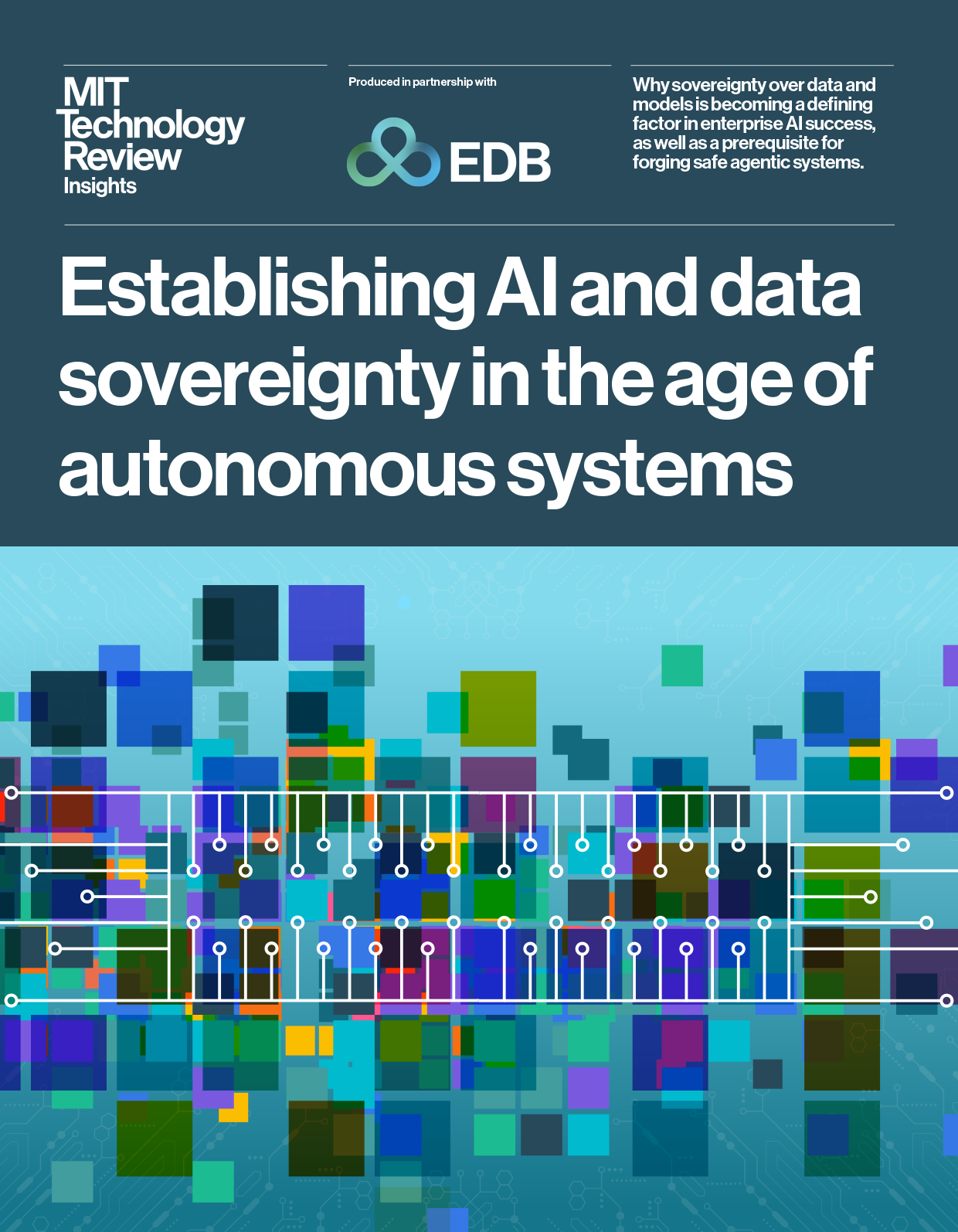
  • Establishing AI and data sovereignty in the age of autonomous systems

    Establishing AI and data sovereignty in the age of autonomous systems

    When Generative AI first moved from research labs into real-world business applications, enterprises made a tacit bargain: “Capability now, control later.” Feed your proprietary data into third-party AI models, and you will get powerful results. But your data passes through systems you do not own, under governance you do not set. The protections you rely on are only as durable as the provider’s next policy update.

    Now, with generative AI established in everyday business operations and sophisticated new agentic AI systems advancing every day, companies are reevaluating the terms of that deal.

    “Data is really a new currency; it’s the IP for many companies,” says Kevin Dallas, CEO of EDB, echoing a recurrent anxiety from customers. “The big concern is, if you’re deploying an AI-infused application with a cloud-based large language model, are you losing your IP? Are you losing your competitive position?”

    That question is now fueling a movement toward reclaiming both the data and AI systems that have rapidly become part of core business infrastructure. AI and data sovereignty, which refers to breaking dependence on centralized providers and establishing genuine control over models and data estates, it is an urgent priority for many companies, says Dallas, citing internal EDB data: “70% of global executives believe they need a sovereign data and AI platform to be successful.”

    The idea of AI sovereignty is becoming a global policy conversation. NVIDIA CEO Jensen Huang recently spoke about the need for such a shift at the World Economic Forum’s annual meeting at Davos in January 2026: “I really believe that every country should get involved to build AI infrastructure, build your own AI, take advantage of your fundamental natural resource—which is your language and culture—develop your AI, continue to refine it, and have your national intelligence be part of your ecosystem.”

    This report explores how enterprises are pursuing sovereignty over their models and data estates in an era of rapid AI adoption. Drawing on a survey conducted by EDB of more than 2,050 senior executives and a series of interviews with industry experts, the research confirms that the sovereignty movement on the enterprise level is already well underway.

    Download the report.

    This content was produced by Insights, the custom content arm of MIT Technology Review. It was not written by MIT Technology Review’s editorial staff. It was researched, designed, and written by human writers, editors, analysts, and illustrators. This includes the writing of surveys and collection of data for surveys. AI tools that may have been used were limited to secondary production processes that passed thorough human review.

    Go to Original Source

  • Establishing AI and data sovereignty in the age of autonomous systems

    Establishing AI and data sovereignty in the age of autonomous systems

    When generative AI first moved from research labs into real-world business applications, enterprises made a tacit bargain: “Capability now, control later.” Feed your proprietary data into third-party AI models, and you will get powerful results. But your data passes through systems you do not own, under governance you do not set. The protections you rely on are only as durable as the provider’s next policy update.

    Now, with generative AI established in everyday business operations and sophisticated new agentic AI systems advancing every day, companies are reevaluating the terms of that deal.

    “Data is really a new currency; it’s the IP for many companies,” says Kevin Dallas, CEO of EDB, echoing a recurrent anxiety from customers. “The big concern is, if you’re deploying an AI-infused application with a cloud-based large language model, are you losing your IP? Are you losing your competitive position?”

    That question is now fueling a movement toward reclaiming both the data and AI systems that have rapidly become part of core business infrastructure. AI and data sovereignty, which refers to breaking dependence on centralized providers and establishing genuine control over models and data estates, it is an urgent priority for many companies, says Dallas, citing internal EDB data: “70% of global executives believe they need a sovereign data and AI platform to be successful.”

    The idea of AI sovereignty is becoming a global policy conversation. NVIDIA CEO Jensen Huang recently spoke about the need for such a shift at the World Economic Forum’s annual meeting at Davos in January 2026: “I really believe that every country should get involved to build AI infrastructure, build your own AI, take advantage of your fundamental natural resource—which is your language and culture—develop your AI, continue to refine it, and have your national intelligence be part of your ecosystem.”

    This report explores how enterprises are pursuing sovereignty over their models and data estates in an era of rapid AI adoption. Drawing on a survey conducted by EDB of more than 2,050 senior executives and a series of interviews with industry experts, the research confirms that the sovereignty movement on the enterprise level is already well underway.

    Download the report.

    This content was produced by Insights, the custom content arm of MIT Technology Review. It was not written by MIT Technology Review’s editorial staff. It was researched, designed, and written by human writers, editors, analysts, and illustrators. This includes the writing of surveys and collection of data for surveys. AI tools that may have been used were limited to secondary production processes that passed thorough human review.

    Orijinal Kaynağa Git

  • Plateforme commune d’utilisation et de gestion des modèles d’intelligence artificielle : ZenMux

    Plateforme commune d’utilisation et de gestion des modèles d’intelligence artificielle : ZenMux

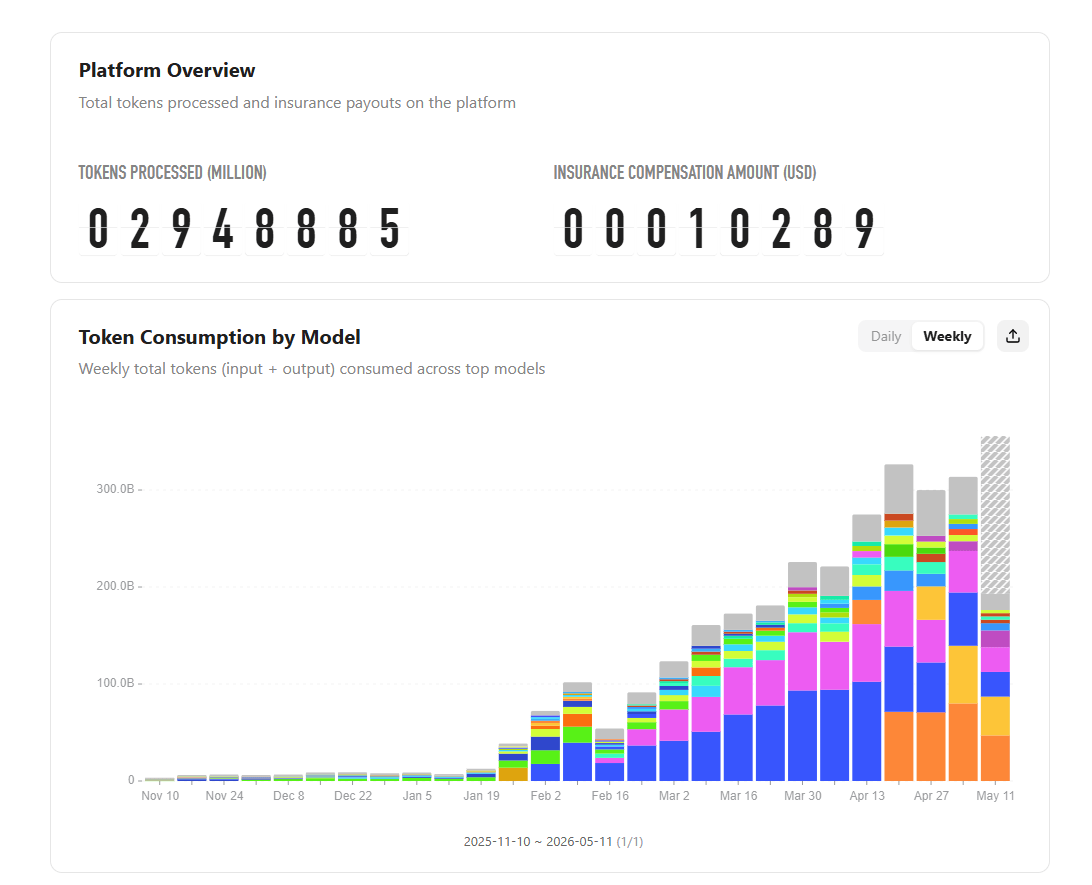
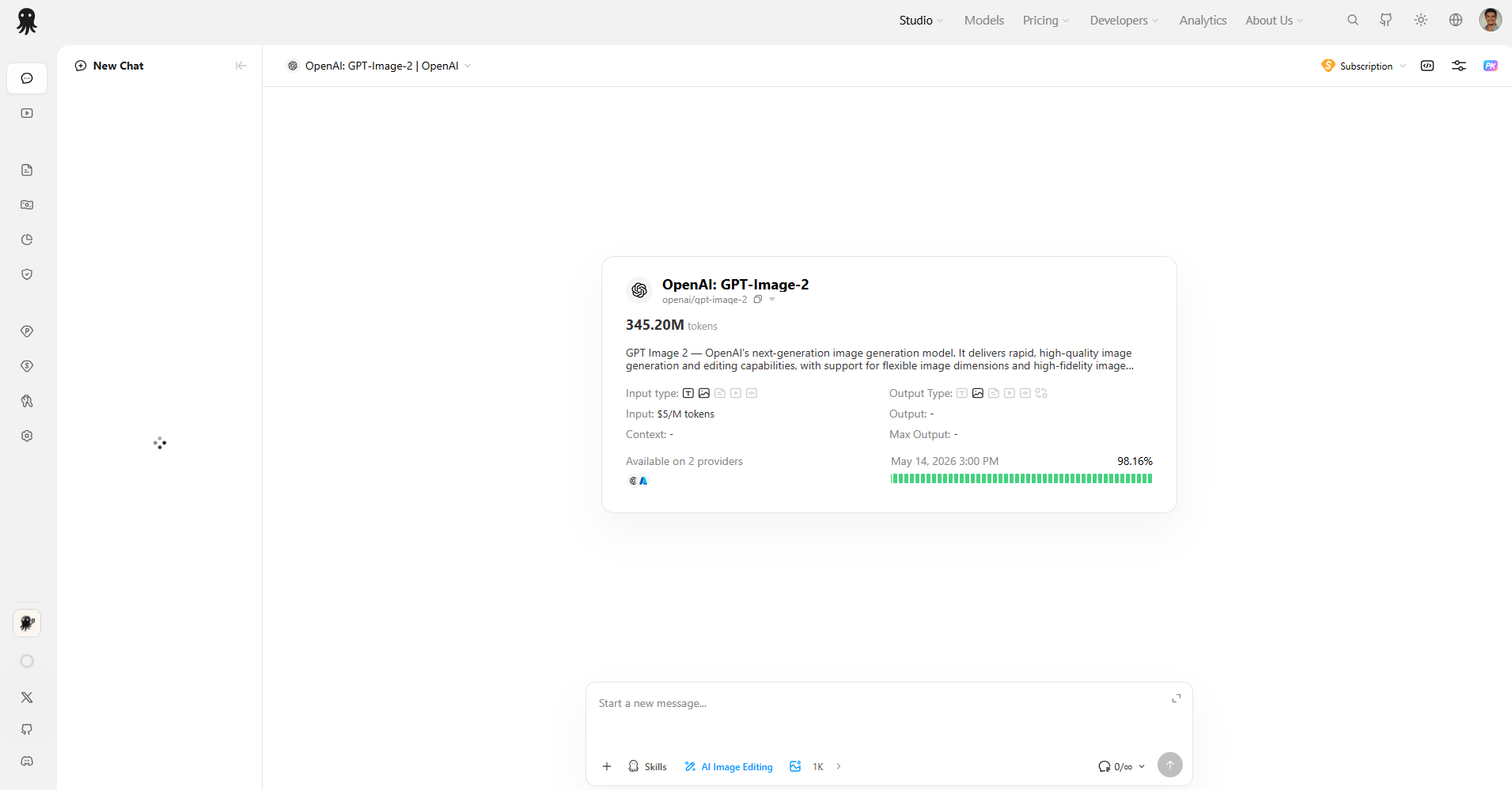
    ZenMux fonctionne comme une plate-forme d’accès qui permet de gérer plusieurs des principaux modèles linguistiques mondiaux à partir d’un centre unique. Les utilisateurs utilisent des modèles développés par différents fournisseurs tels que OpenAI, Anthropic, Google, Alibaba et Baidu via un compte unique et une API commune. Cette structure simplifie les flux de travail des développeurs en éliminant le besoin de basculer entre plusieurs abonnements et différents protocoles. En plus des opérations textuelles sur la plateforme, des outils de production visuelle et vidéo sont également proposés via un panneau de contrôle unique.

    La plateforme, dotée d’une infrastructure orientée développeur, fonctionne en totale conformité avec les protocoles OpenAI et Anthropic. Les utilisateurs utilisent des modèles originaux directement auprès de fournisseurs officiels au lieu de systèmes intermédiaires ou de copies peu performantes. Le système d’assurance automatique, l’une des caractéristiques notables de la plateforme, verse automatiquement une indemnisation à l’utilisateur en cas d’hallucinations ou de latence élevée dans les sorties de l’intelligence artificielle. Ces cas marqués comme incorrects sont ensuite anonymisés et transmis à l’utilisateur sous forme de données de feedback. De cette manière, les utilisateurs obtiennent des ensembles de données précieux pour améliorer leurs propres produits d’intelligence artificielle.

    La technologie ZenMux Auto au sein de la plateforme analyse chaque commande arrivant au système et sélectionne le modèle le plus approprié en termes de performances et d’équilibre des prix en quelques secondes. Le système, qui fonctionne de manière intégrée au réseau périphérique mondial Cloudflare, augmente la vitesse des transactions en dirigeant les demandes des utilisateurs vers le centre de données le plus proche. Le mécanisme de sauvegarde multi-fournisseurs du système transfère instantanément le trafic vers des canaux alternatifs lorsqu’un fournisseur modèle subit une panne ou un dépassement de limite. De plus, grâce aux outils analytiques complets proposés, les détails du coût et de l’utilisation de chaque jeton sont surveillés instantanément.

    La politique de tarification est déterminée par le modèle préféré et le montant total de pièces traitées. Bien que les frais d’entrée par million de pièces pour Google Gemini 3.1 Flash Lite soient de 0,25 $, les coûts varient pour les modèles haute capacité tels que OpenAI GPT-5.5. La plateforme facture des frais de service standard de 5 %, mais ce taux tombe à 0 % avec des campagnes périodiques.

    Aller à la source originale

  • Gemeinsame Nutzungs- und Verwaltungsplattform für Modelle der künstlichen Intelligenz: ZenMux

    Gemeinsame Nutzungs- und Verwaltungsplattform für Modelle der künstlichen Intelligenz: ZenMux

    ZenMux fungiert als Zugangsplattform, die die Verwaltung vieler der weltweit führenden großen Sprachmodelle von einem einzigen Zentrum aus ermöglicht. Benutzer nutzen Modelle, die von verschiedenen Anbietern wie OpenAI, Anthropic, Google, Alibaba und Baidu entwickelt wurden, über ein einziges Konto und eine gemeinsame API. Diese Struktur vereinfacht die Arbeitsabläufe der Entwickler, da sie nicht mehr zwischen mehreren Abonnements und verschiedenen Protokollen wechseln müssen. Neben textbasierten Vorgängen auf der Plattform werden auch visuelle und Videoproduktionstools über ein einziges Bedienfeld angeboten.

    Die Plattform, die über eine entwicklerorientierte Infrastruktur verfügt, arbeitet in voller Übereinstimmung mit den Protokollen OpenAI und Anthropic. Nutzer nutzen Originalmodelle direkt von offiziellen Anbietern statt Zwischensystemen oder leistungsschwachen Kopien. Das automatische Versicherungssystem, eines der bemerkenswerten Merkmale der Plattform, zahlt dem Benutzer automatisch eine Entschädigung im Falle von Halluzinationen oder hoher Latenz bei den Ausgaben der künstlichen Intelligenz. Diese als fehlerhaft markierten Fälle werden anschließend anonymisiert und als Feedbackdaten an den Nutzer übermittelt. Auf diese Weise erhalten Nutzer wertvolle Datensätze zur Verbesserung ihrer eigenen Produkte der künstlichen Intelligenz.

    Die ZenMux Auto-Technologie innerhalb der Plattform analysiert jeden an das System eingehenden Befehl und wählt innerhalb von Sekunden das am besten geeignete Modell hinsichtlich Leistung und Preisbalance aus. Das System, das in das globale Edge-Netzwerk von Cloudflare integriert ist, erhöht die Transaktionsgeschwindigkeit, indem es Benutzeranfragen an das nächstgelegene Rechenzentrum weiterleitet. Der Multi-Provider-Backup-Mechanismus im System leitet den Datenverkehr sofort auf alternative Kanäle weiter, wenn bei einem Modellanbieter ein Ausfall oder eine Limitüberschreitung auftritt. Darüber hinaus werden dank der umfassenden Analysetools die Kosten- und Nutzungsdetails jedes Tokens sofort überwacht.

    Die Preispolitik richtet sich nach dem bevorzugten Modell und der Gesamtmenge der verarbeiteten Münzen. Während die Teilnahmegebühr pro Million Münzen für Google Gemini 3.1 Flash Lite 0,25 US-Dollar beträgt, variieren die Kosten für Modelle mit hoher Kapazität wie OpenAI GPT-5.5. Die Plattform erhebt eine Standard-Servicegebühr von 5 Prozent, bei regelmäßigen Kampagnen sinkt dieser Satz jedoch auf 0 Prozent.

    Zur Originalquelle gehen

  • Common use and management platform for artificial intelligence models: ZenMux

    Common use and management platform for artificial intelligence models: ZenMux

    ZenMux operates as an access platform that allows managing many of the world’s leading major language models from a single center. Users use models developed by different providers such as OpenAI, Anthropic, Google, Alibaba and Baidu through a single account and a common API. This structure simplifies developers’ workflows by eliminating the need to switch between multiple subscriptions and different protocols. In addition to text-based operations on the platform, visual and video production tools are also offered through a single control panel.

    The platform, which has a developer-oriented infrastructure, works in full compliance with OpenAI and Anthropic protocols. Users use original models directly from official providers instead of any intermediary systems or low-performance copies. The automatic insurance system, one of the notable features of the platform, automatically pays compensation to the user in case of hallucinations or high latency in the artificial intelligence outputs. These cases marked as incorrect are then anonymized and transferred to the user as feedback data. In this way, users obtain valuable data sets to improve their own artificial intelligence products.

    The ZenMux Auto technology within the platform analyzes each command coming to the system and selects the most suitable model in terms of performance and price balance within seconds. The system, which works integrated with the Cloudflare global edge network, increases transaction speed by directing user requests to the nearest data center. The multi-provider backup mechanism in the system instantly transfers traffic to alternative channels when a model provider experiences an outage or limit exceedance. In addition, thanks to the comprehensive analytical tools offered, the cost and usage details of each token are monitored instantly.

    Pricing policy is determined by the preferred model and the total amount of coins processed. While the entry fee per million coins for Google Gemini 3.1 Flash Lite is $0.25, costs vary for high-capacity models such as OpenAI GPT-5.5. The platform charges a standard service fee of 5 percent, but this rate drops to 0 percent with periodic campaigns.

    Go to Original Source

  • Yapay zeka modelleri için ortak kullanım ve yönetim platformu: ZenMux

    Yapay zeka modelleri için ortak kullanım ve yönetim platformu: ZenMux

    ZenMux, dünya çapındaki önde gelen çok sayıda büyük dil modelini tek bir merkezden yönetmeyi sağlayan bir erişim platformu olarak faaliyet gösteriyor. Kullanıcılar OpenAI, Anthropic, Google, Alibaba ve Baidu gibi farklı sağlayıcıların geliştirdiği modelleri tek bir hesap ve ortak bir API üzerinden kullanıyor. Bu yapı, geliştiricilerin çok sayıda abonelik ve farklı protokoller arasında geçiş yapma zorunluluğunu ortadan kaldırarak iş akışlarını sadeleştiriyor. Platform üzerinde metin tabanlı işlemlerin yanı sıra görsel ve video üretim araçları da tek bir kontrol paneli aracılığıyla sunuluyor.

    Geliştirici odaklı bir altyapıya sahip olan platform, OpenAI ve Anthropic protokolleriyle tam uyum içerisinde çalışıyor. Kullanıcılar, herhangi bir aracı sistem veya düşük performanslı kopyalar yerine doğrudan resmi sağlayıcılardan gelen orijinal modelleri kullanıyor. Platformun dikkat çeken özelliklerinden biri olan otomatik sigorta sistemi, yapay zeka çıktılarında halüsinasyon oluşması veya yüksek gecikme süreleri yaşanması durumunda kullanıcıya otomatik olarak tazminat ödemesi gerçekleştiriyor. Hatalı olarak işaretlenen bu vakalar daha sonra anonimleştirilerek kullanıcıya geri bildirim verisi olarak aktarılıyor. Bu sayede kullanıcılar kendi yapay zeka ürünlerini iyileştirmek için değerli veri setleri elde ediyor.

    Platform bünyesindeki ZenMux Auto teknolojisi, sisteme gelen her bir komutu analiz ederek performans ve fiyat dengesi açısından en uygun modeli saniyeler içinde seçiyor. Cloudflare küresel uç ağı ile entegre çalışan sistem, kullanıcı isteklerini en yakın veri merkezine yönlendirerek işlem hızını artırıyor. Sistemde yer alan çoklu sağlayıcı yedekleme mekanizması, bir model sağlayıcısında kesinti veya limit aşımı yaşandığında trafiği anında alternatif kanallara aktarıyor. Ayrıca sunulan kapsamlı analitik araçları sayesinde her bir jetonun maliyeti ve kullanım detayları anlık olarak takip ediliyor.

    Fiyatlandırma politikası, tercih edilen modele ve işlenen toplam jeton miktarına göre belirleniyor. Google Gemini 3.1 Flash Lite için milyon jeton başına giriş ücreti 0,25 dolar olarak uygulanırken, OpenAI GPT-5.5 gibi yüksek kapasiteli modellerde maliyetler farklılaşıyor. Platform, standart olarak yüzde 5 oranında bir servis ücreti talep ediyor ancak bu oran dönemsel kampanyalarla yüzde 0 seviyesine kadar düşüyor.

    Orijinal Kaynağa Git