Blog

  • Rise Goes to Washington

    Rise Goes to Washington

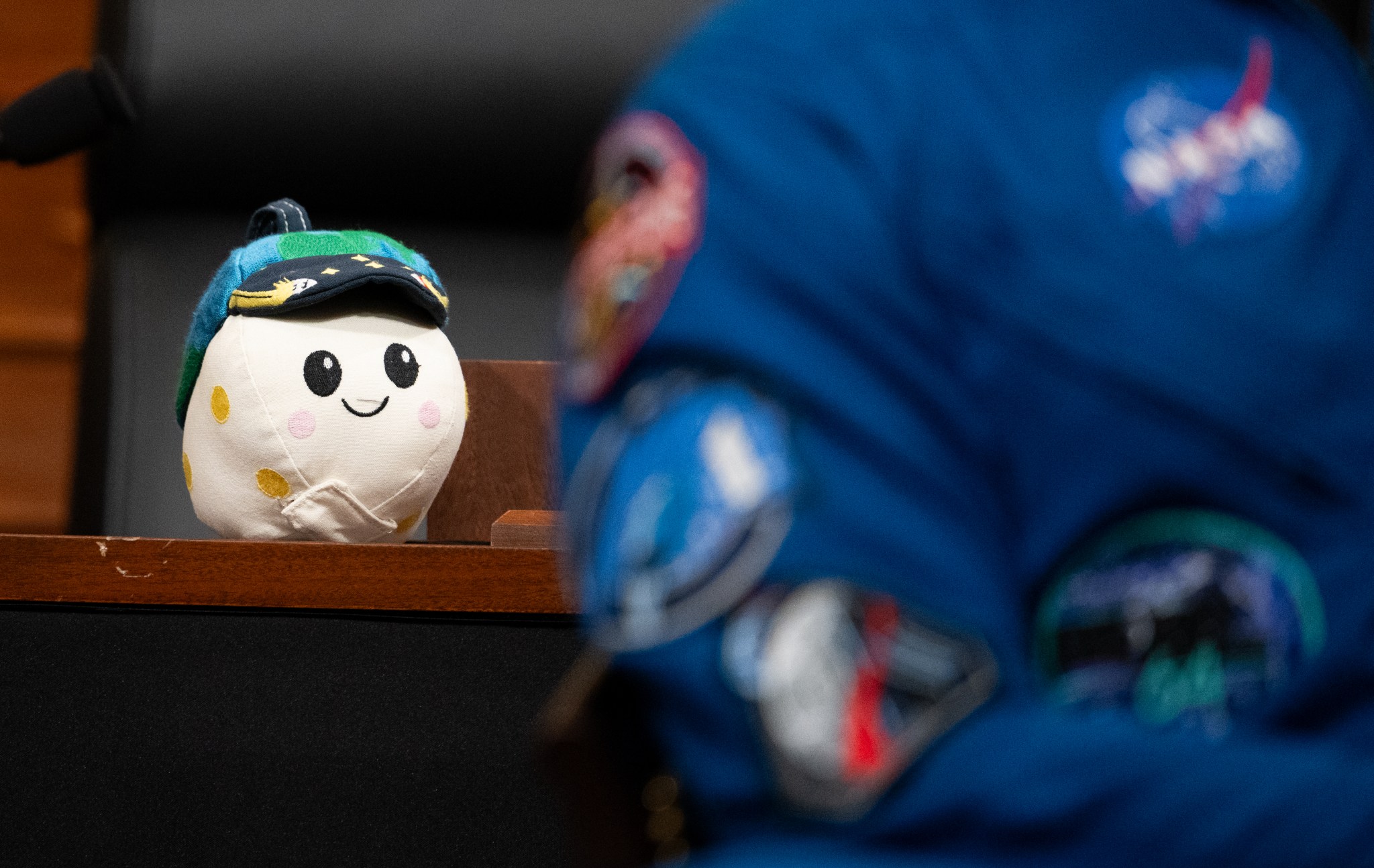
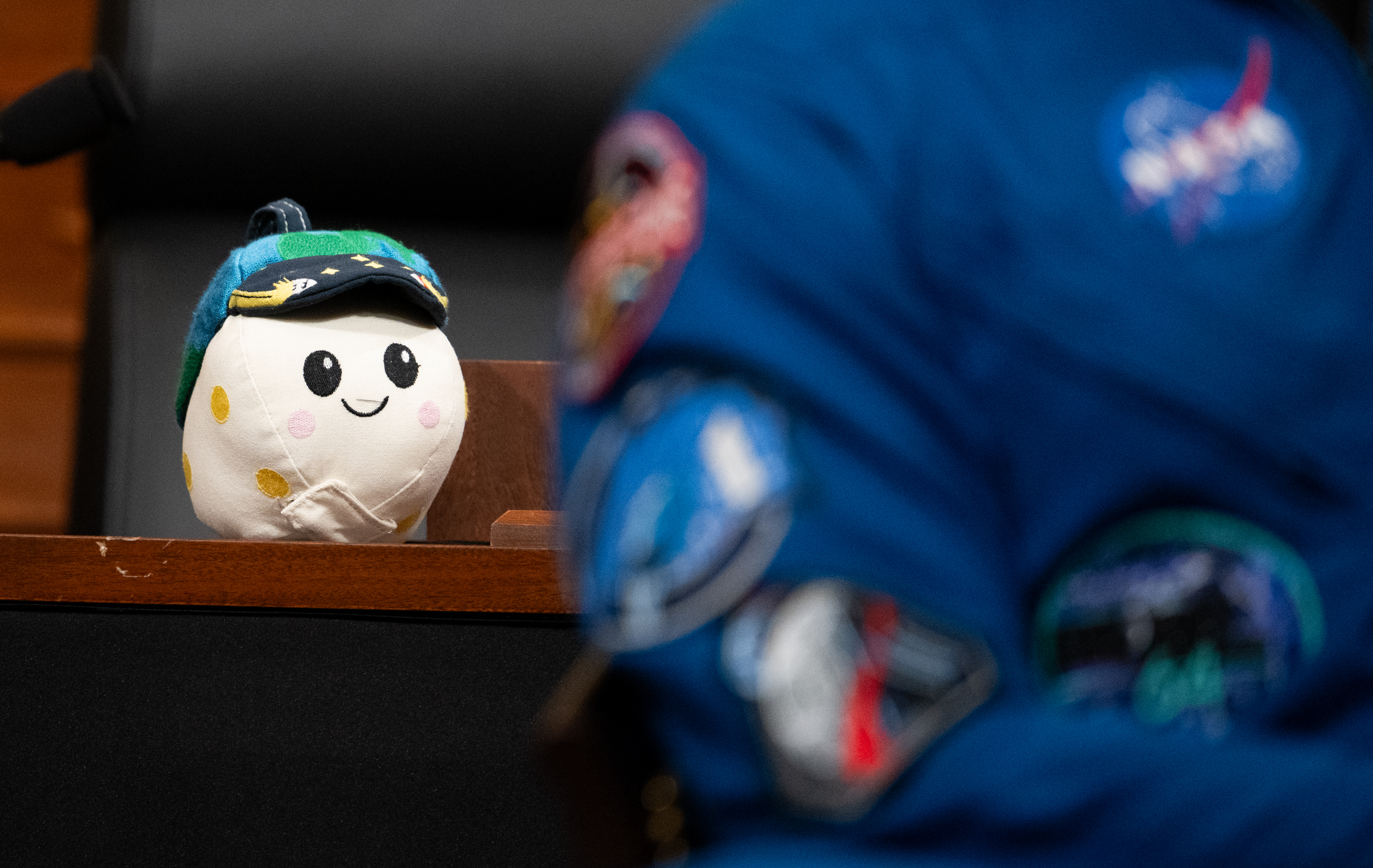
    Rise, the Artemis II zero gravity indicator, sits on a wooden desk. A NASA astronaut is in the foreground.
    NASA/Joel Kowsky

    “Rise,” the Artemis II zero gravity indicator, is seen sitting on the dais as NASA astronauts Reid Wiseman, Victor Glover, and Christina Koch, and CSA (Canadian Space Agency) astronaut Jeremy Hansen speak with congressional staff, Tuesday, May 12, 2026, in Washington.

    NASA’s Artemis II mission took Wiseman, Glover, Koch, and Hansen on a nearly 10-day journey around the Moon and back to Earth in April 2026.

    See more photos from the crew’s visit to the U.S. Capitol.

    Image credit: NASA/Joel Kowsky

    Orijinal Kaynağa Git

  • NASA-Supported Space Tech Advances Earthly Construction

    NASA-Supported Space Tech Advances Earthly Construction

    3 min read

    Preparations for Next Moonwalk Simulations Underway (and Underwater)

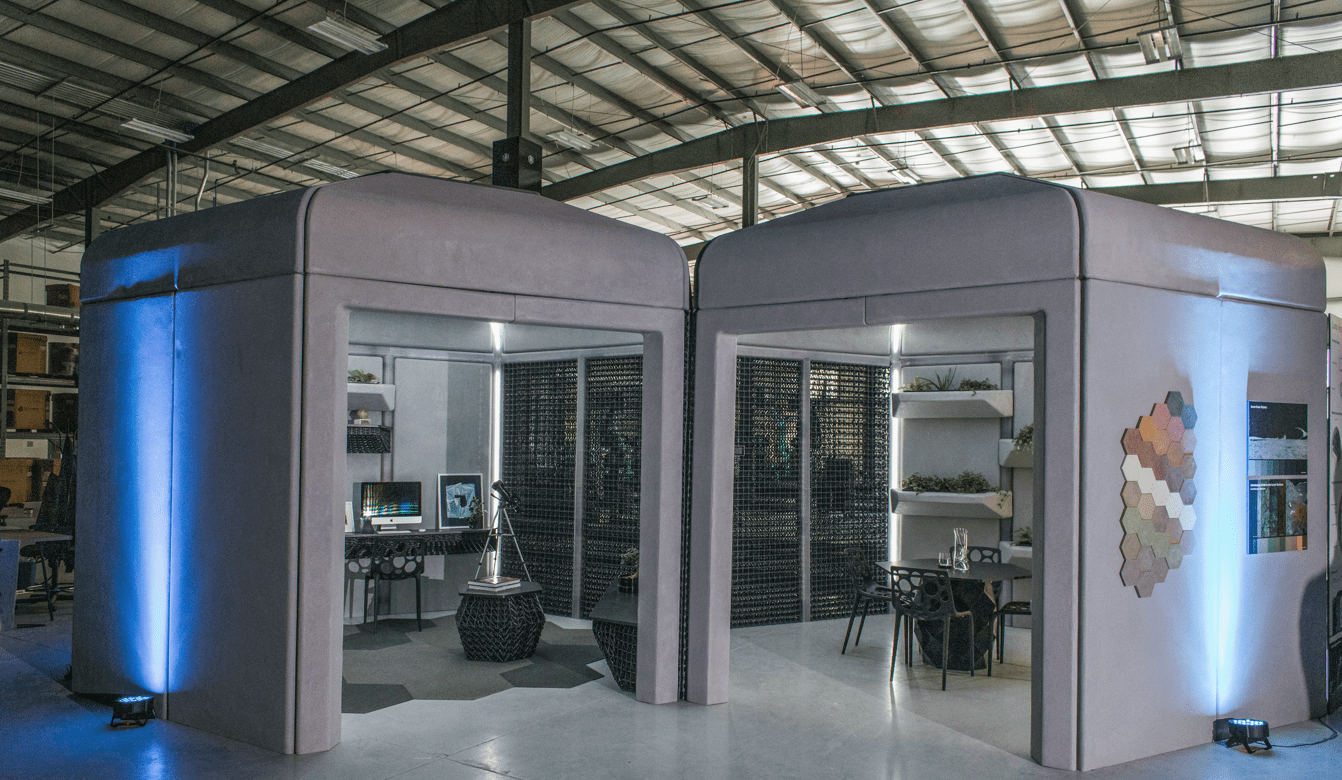
    Two boxy structures, one with an office-like interior and the other with an eating area, side-by-side in a hangar-like location
    Branch’s work outfitting a prototype of a lunar surface habitat they developed, pictured here, under a cooperative agreement with Marshall Space Flight Center, helped the company evolve its printing processes.
    Credit: Branch Technology Inc.

    An innovative 3D printing process that advanced NASA’s approach to outfitting a lunar habitat is making buildings on Earth beautiful, efficient, and strong. 

    Instead of building structures layer by layer, Branch Technology Inc. of Chattanooga, Tennessee, has developed a process the company calls Freeform 3D Printing, which creates shapes with lightweight lattice structures that can be filled or covered. The company uses the technique to manufacture visually interesting, modular building elements, such as wall panels and cladding. 

    “Our process eliminates a ton of material from something that otherwise might be printed solid all the way through,” said David Goodloe, who leads Branch Technology’s Advanced Concepts team, which manages the company’s NASA collaborations. 

    In 2017, the company won Phase II of NASA’s 3D-Printed Habitat Challenge, a public competition to build a habitat for deep space exploration. 

    Tracie Prater, a technical manager in the Habitat Systems Development Branch at NASA’s Marshall Spaceflight Center in Huntsville, Alabama, served as a subject matter expert for the challenge and worked with Branch Technology on a cooperative agreement. 

    “With the 3D-Printed Habitat Challenge, teams were focused on how to build a large habitat structure on a planetary surface,” said Prater. “But once that structure is pressurized and ready for crew occupancy, how do you populate it with systems and supplies? That’s what Branch was looking at through the cooperative agreement — what their on-demand fabrication process enables in terms of novel designs for interior items.” 

    NASA’s parameters for the habitat challenge led Branch to develop its nozzles to extrude unique lattice structures as well as more traditional layers. The company uses this dual capability frequently in its wall panels where traditionally printed sections offer solid substrates for attaching fasteners. 

    The polymers Branch extrudes were informed by its materials science research for the 3D-Printed Habitat Challenge, which asked that print material be made of something like the dust and rocks found on the Martian surface and mission recyclables. Branch came up with a basalt fiber-reinforced plastic and from that work went on to develop an optimal loading recipe for its terrestrial “inks.” 

    These innovations exemplify the purpose of NASA’s Technology Transfer program within the Space Technology Mission Directorate, which uses space-based solutions to improve life on Earth. For 50 years, NASA has documented the everyday benefits of space technology through the agency’s Spinoff publication.  

    Details

    Last Updated

    May 13, 2026

    Orijinal Kaynağa Git

  • Ice Moves Out of Aniak

    Ice Moves Out of Aniak


    April 21, 2026
    May 7, 2026

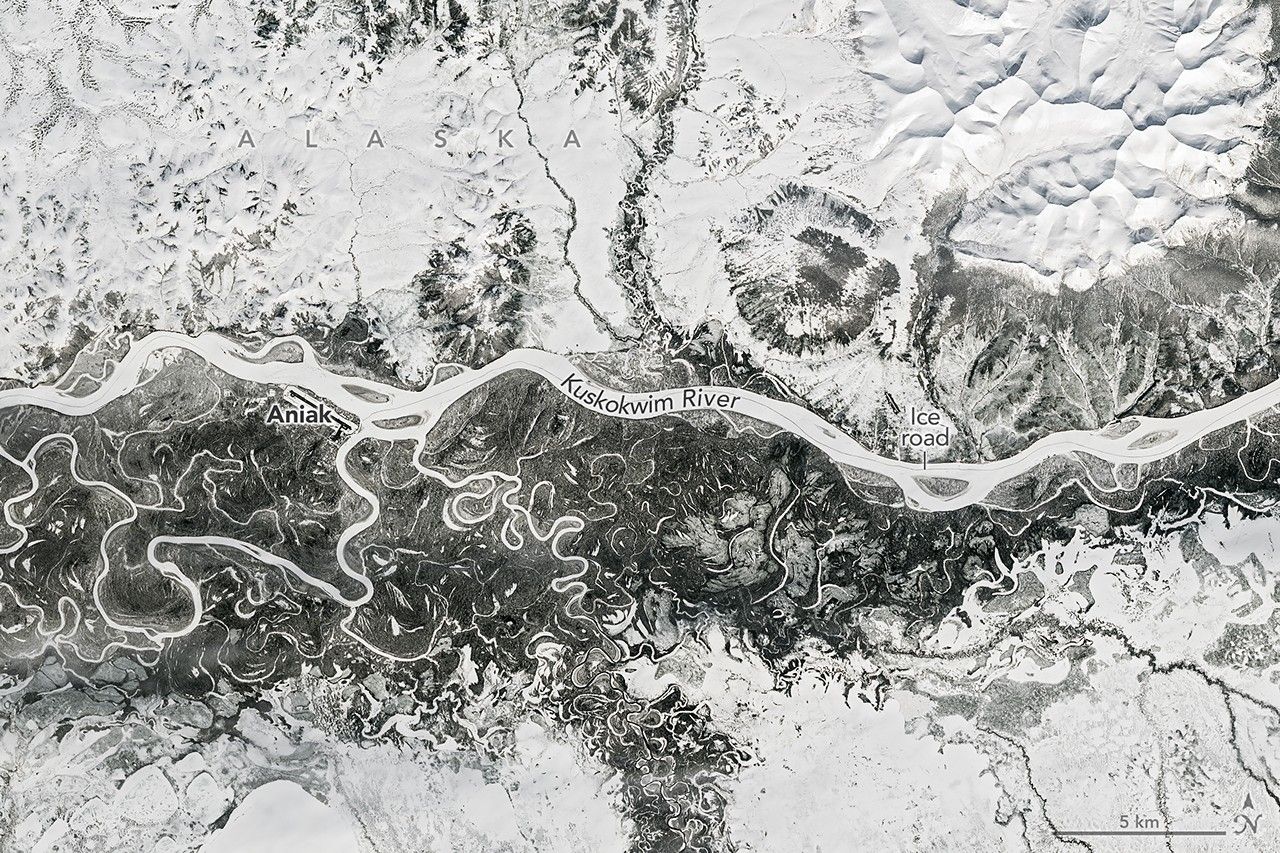
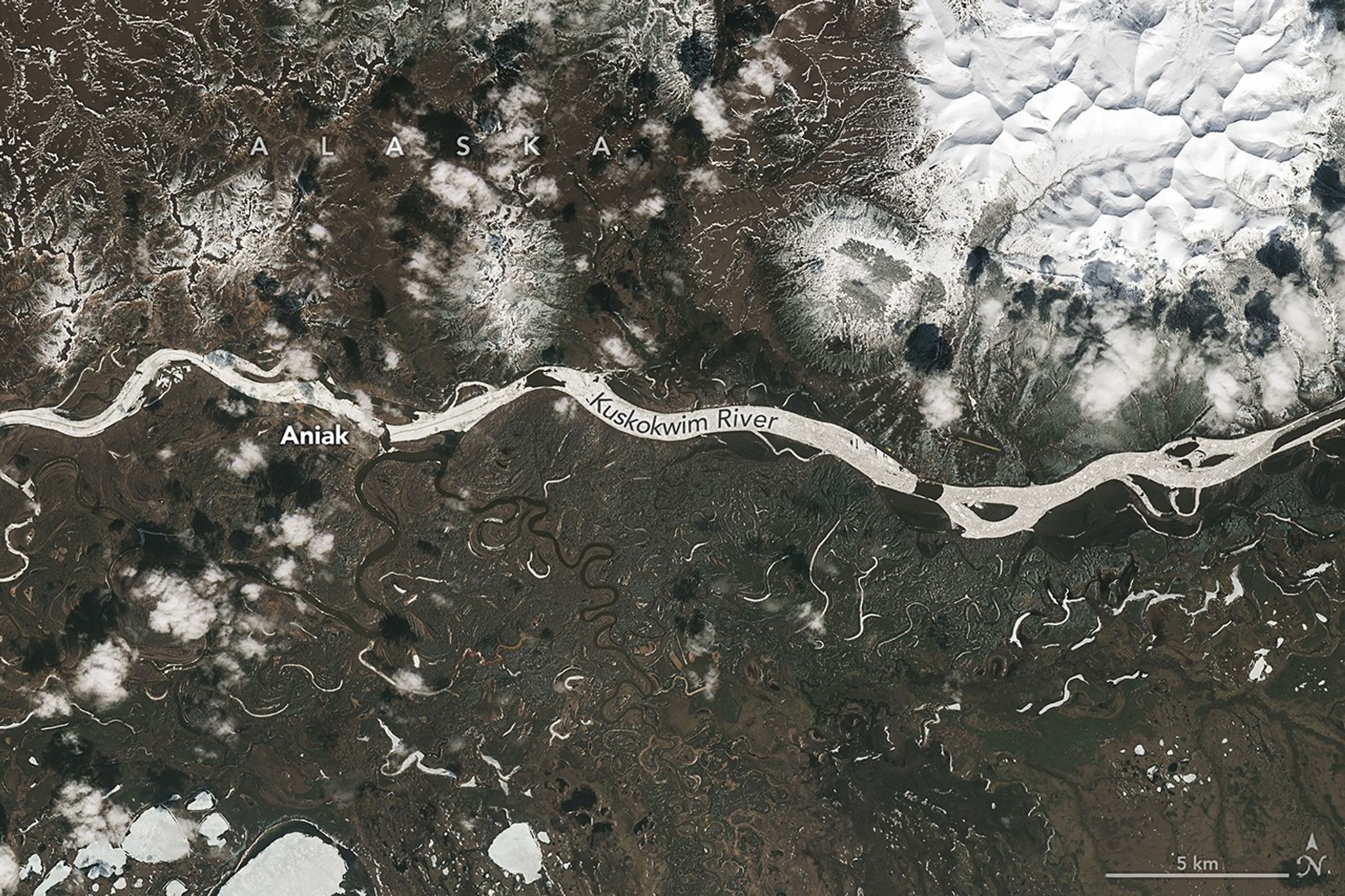
    A frozen river winds from east to west past Aniak, Alaska. Nearby meandering channels are also frozen, and much of the surrounding land is snow-covered.
    A frozen river winds from east to west past Aniak, Alaska. Nearby meandering channels are also frozen, and much of the surrounding land is snow-covered.
    NASA Earth Observatory/Michala Garrison

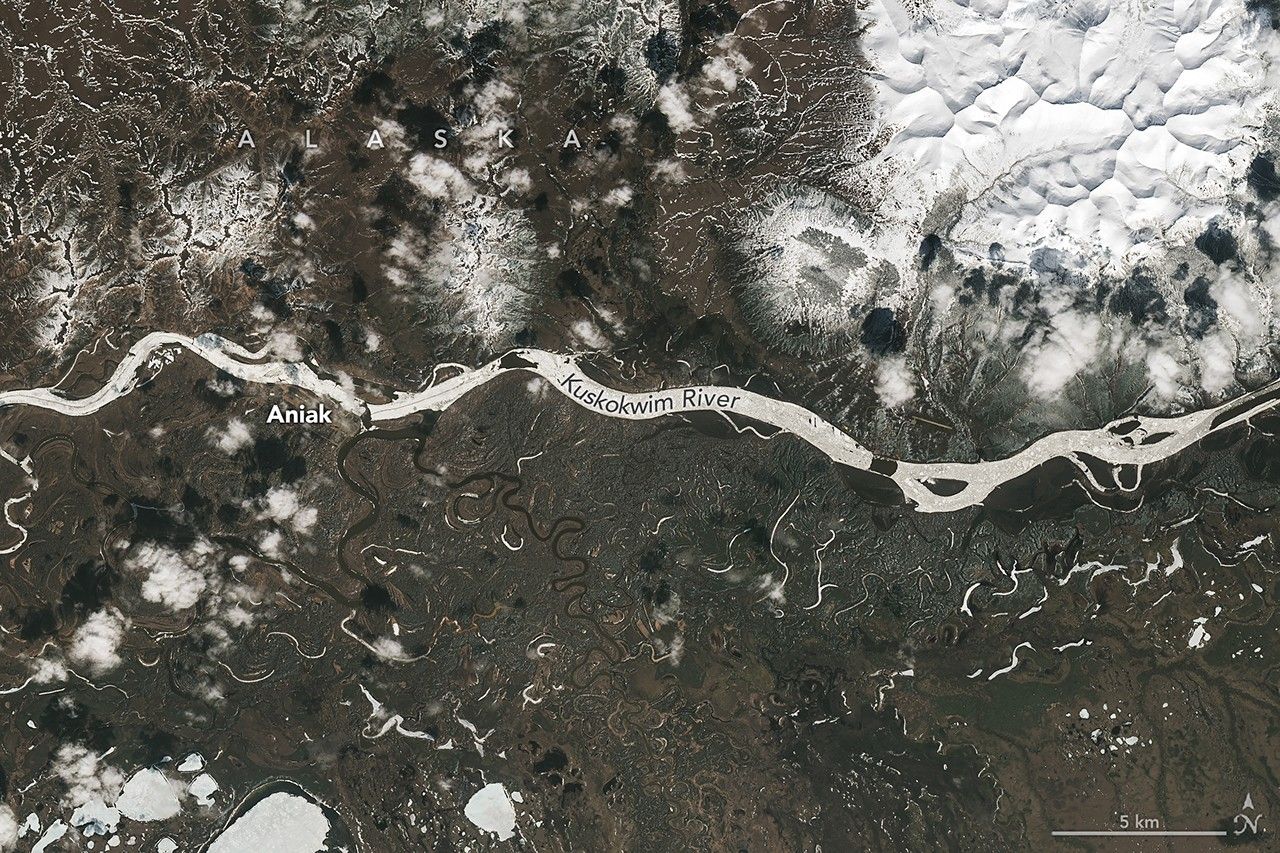
    A river winds from east to west past Aniak, Alaska. Some stretches of the wide channel are still frozen over, while others contain broken-up ice. Most of the surrounding land is snow-free.
    A river winds from east to west past Aniak, Alaska. Some stretches of the wide channel are still frozen over, while others contain broken-up ice. Most of the surrounding land is snow-free.
    NASA Earth Observatory/Michala Garrison

    A frozen river winds from east to west past Aniak, Alaska. Nearby meandering channels are also frozen, and much of the surrounding land is snow-covered.
    A frozen river winds from east to west past Aniak, Alaska. Nearby meandering channels are also frozen, and much of the surrounding land is snow-covered.
    NASA Earth Observatory/Michala Garrison

    A river winds from east to west past Aniak, Alaska. Some stretches of the wide channel are still frozen over, while others contain broken-up ice. Most of the surrounding land is snow-free.
    A river winds from east to west past Aniak, Alaska. Some stretches of the wide channel are still frozen over, while others contain broken-up ice. Most of the surrounding land is snow-free.
    NASA Earth Observatory/Michala Garrison


    April 21, 2026

    May 7, 2026


    The landscape along the Kuskokwim River near Aniak, Alaska, is frozen on April 21, 2026 (left), while spring melt and river ice breakup are evident on May 7, 2026 (right). Both images were acquired with the OLI (Operational Land Imager) on Landsat 9. NASA Earth Observatory images by Michala Garrison.

    Thawing may be a welcome sight for Alaskans following a remarkably cold winter and early spring in much of the state. But with melting comes the threat of rapid flooding in low-lying areas as river ice breaks up and periodically jams.

    The landscape along the Kuskokwim River appeared frozen in a Landsat 9 image acquired on April 21, 2026 (left). According to observations published by the Alaska-Pacific River Forecast Center, river ice near the town of Aniak was thick and still covered in deep snow as of April 16. The Kuskokwim ice road connecting numerous villages traces a dark line down the river. The thick river ice supported a route that extended about 350 miles (560 kilometers) in winter 2025-2026 and shut down for the season on April 10, according to news reports.

    Conditions were changing quickly around May 7, when the right image was acquired. The previous day, the front of the ice breakup had nearly reached Aniak, and a sheet of grounded ice caused a jam that stretched 21 miles (34 kilometers) upstream. News reports showed ice chunks several feet thick piled up on riverbanks around the town. Ice became unstuck by May 7, and the backup, visible above (right), had started to flow downstream.

    Aniak remained at risk, however, as ice clogged the river later that night, this time several miles downstream from the community. Waters began to rise, and a flood watch was issued for the town on May 8. Water inundated low-lying areas and encroached on homes and businesses near the east side of the runway, according to reports, before receding two days later.

    Flooding caused by spring breakup can be most hazardous when heavy snowpack and thick ice remain in place from the winter and there’s a sudden transition from freezing to warmer temperatures. In what is known as a dynamic breakup, snowmelt encounters intact ice and causes water to back up quickly. On the other hand, if ice weakens before significant snowmelt or ice from upstream arrives, jams are less likely to form.

    Forecasters noted that spring 2026 showed warning signs of a dynamic breakup. Snowpack was above average in some major river drainages, and historically low temperatures marked the winter and spring months in many places. For example, the March average temperature in Bethel, downstream of Aniak, was 14 degrees Fahrenheit (8 degrees Celsius) below normal. However, floods had been relatively minor along the large rivers through early May, experts noted, while cautioning that more severe flooding still has the potential to develop quickly.

    NASA Earth Observatory images by Michala Garrison, using Landsat data from the U.S. Geological Survey. Story by Lindsey Doermann.

    References & Resources

    You may also be interested in:

    Stay up-to-date with the latest content from NASA as we explore the universe and discover more about our home planet.

    Chilled New York City

    3 min read

    Ice in the Hudson River hugged the shore of Manhattan amid a deep freeze.

    Article

    Chesapeake Bay Locked in Ice

    3 min read

    Nearly 50 years ago, the first Landsat satellite captured the rare sight of Mid-Atlantic waterways frozen over.

    Article

    Record-Setting Retreat of Hektoria Glacier

    5 min read

    Scientists relied on satellite data to understand how the Antarctic glacier lost so much ice so rapidly.

    Article

    Orijinal Kaynağa Git

  • Livraison de nourriture fraîche pour la Station spatiale

    Livraison de nourriture fraîche pour la Station spatiale

    Les astronautes de la NASA Jack Hathaway (en bas à gauche), Jessica Meir (au milieu à gauche) et Chris Williams (en bas à droite) et l'astronaute de l'ESA (Agence spatiale européenne) Sophie Adenot (en haut à droite) posent pour une photo de groupe à bord de la Station spatiale internationale, alors que des fruits et des légumes flottent autour d'eux.
    Vous êtes autorisé à jouer avec votre nourriture lorsque vous êtes sur la Station spatiale internationale !
    NASA/Chris Williams

    Les astronautes de la NASA Jack Hathaway (en bas à gauche), Jessica Meir (au milieu à gauche) et Chris Williams (en bas à droite), ainsi que l’astronaute de l’ESA (Agence spatiale européenne) Sophie Adenot (en haut à droite) s’amusent avec la nourriture et la microgravité sur cette photo du 19 avril 2026.

    Le vaisseau spatial cargo Cygnus XL de Northrop Grumman a livré une cargaison de produits alimentaires frais, notamment des oranges, des pommes, des oignons et des poivrons, à la Station spatiale internationale. Cygnus href=”https://www.nasa.gov/mission/station/research-explorer/investigation/?#id=9301″>protège la santé intestinale des astronautes. Autres équipements livrés à bord du Cygnus href=”https://www.nasa.gov/missions/station/nasas-northrop-grumman-crs-24-mission-overview/”>plus.

    Crédit image : NASA/Chris Williams

    Aller à la source originale

  • Lieferung frischer Lebensmittel für die Raumstation

    Lieferung frischer Lebensmittel für die Raumstation

    Du darfst mit deinem Essen spielen, wenn du auf der Internationalen Raumstation bist!
    NASA/Chris Williams

    Die NASA-Astronauten Jack Hathaway (unten links), Jessica Meir (Mitte links) und Chris Williams (unten rechts) sowie die ESA-Astronautin (Europäische Weltraumorganisation) Sophie Adenot (oben rechts) haben auf diesem Foto vom 19. April 2026 Spaß mit Essen und Schwerelosigkeit.

    Northrop Grummans Frachtraumschiff Cygnus XL lieferte eine Lieferung frischer Lebensmittel, darunter Orangen, Äpfel, Zwiebeln und Paprika, zur Internationalen Raumstation. Cygnus href=”https://www.nasa.gov/mission/station/research-explorer/investigation/?#id=9301″>Schützen Sie die Darmgesundheit von Astronauten. Weitere an Bord der Cygnus gelieferte Ausrüstung href=”https://www.nasa.gov/missions/station/nasas-northrop-grumman-crs-24-mission-overview/”>mehr.

    Bildnachweis: NASA/Chris Williams

    Zur Originalquelle gehen

  • Fresh Food Delivery for Space Station

    Fresh Food Delivery for Space Station

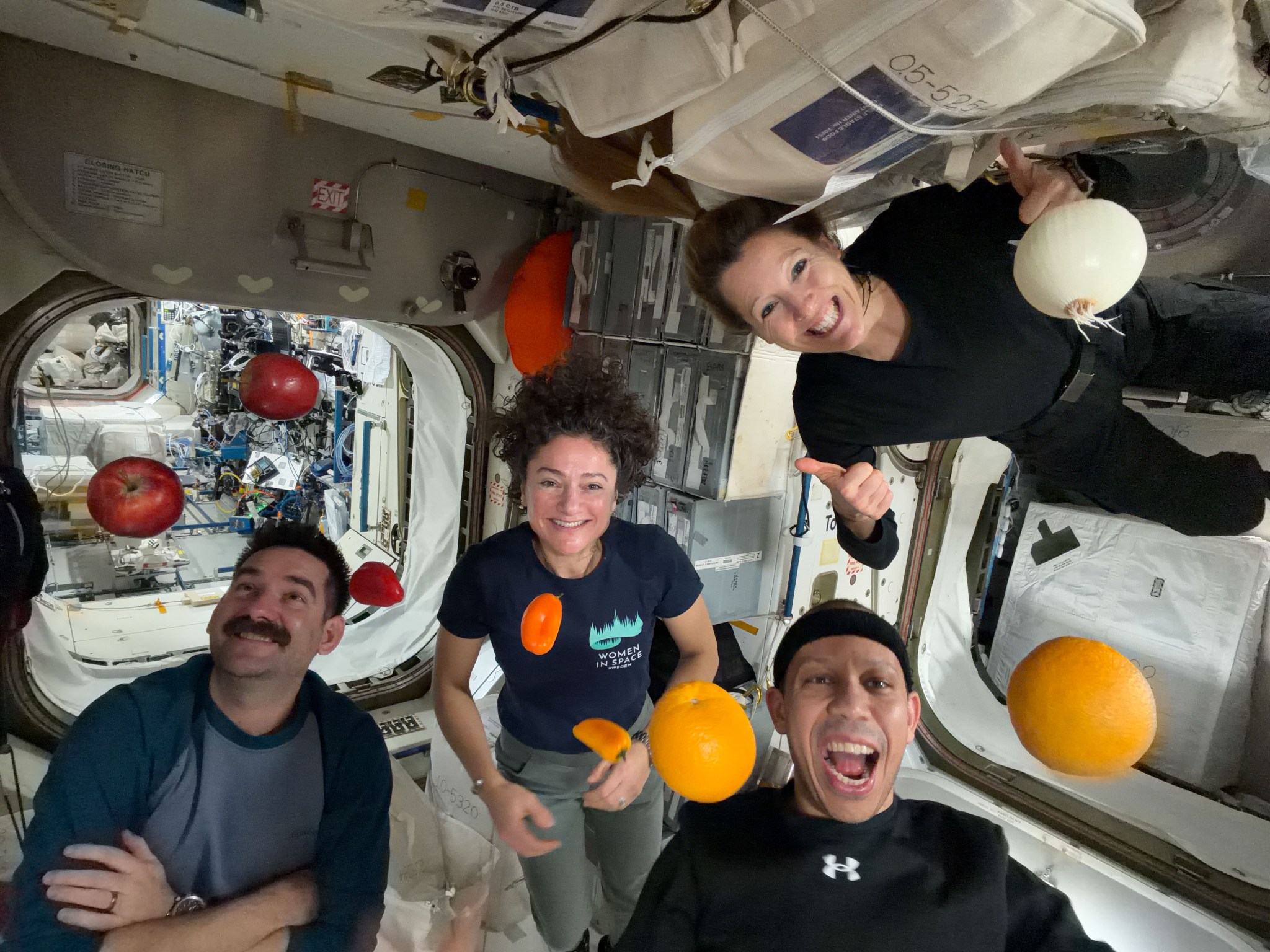
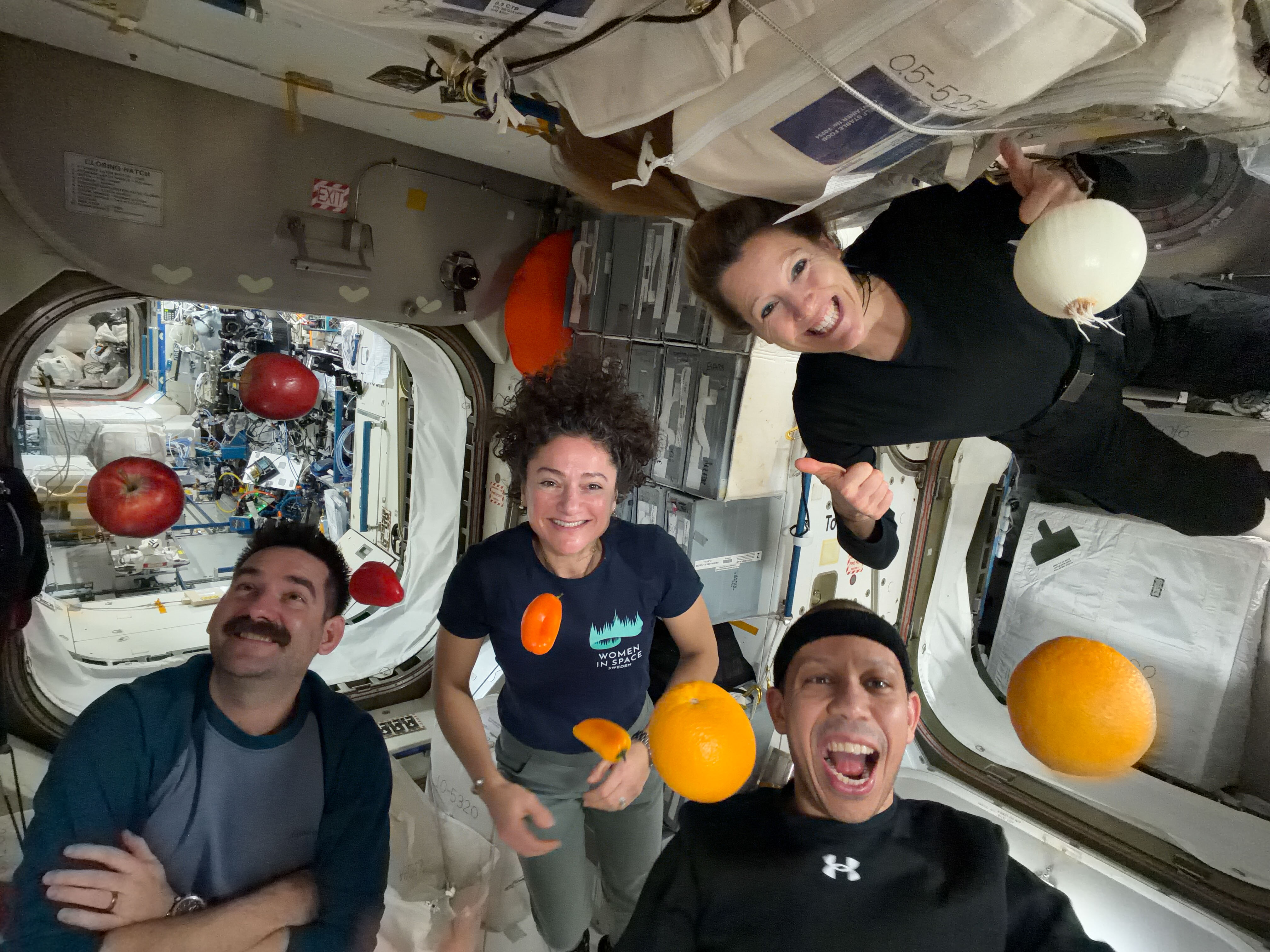
    NASA astronauts Jack Hathaway (bottom left), Jessica Meir (middle left), and Chris Williams (bottom right), and ESA (European Space Agency) astronaut Sophie Adenot (top right) pose for a group photo aboard the International Space Station, as fruits and vegetables float around them.
    You’re allowed to play with your food when you’re on the International Space Station!
    NASA/Chris Williams

    NASA astronauts Jack Hathaway (bottom left), Jessica Meir (middle left), and Chris Williams (bottom right), and ESA (European Space Agency) astronaut Sophie Adenot (top right) have some fun with food and microgravity in this April 19, 2026, photo.

    Northrop Grumman’s Cygnus XL cargo spacecraft delivered a shipment of fresh food, including oranges, apples, onions, and peppers, to the International Space Station. Cygnus href=”https://www.nasa.gov/mission/station/research-explorer/investigation/?#id=9301″>protect astronaut gut health. Other gear delivered aboard Cygnus href=”https://www.nasa.gov/missions/station/nasas-northrop-grumman-crs-24-mission-overview/”>more.

    Image credit: NASA/Chris Williams

    Go to Original Source

  • Fresh Food Delivery for Space Station

    Fresh Food Delivery for Space Station

    NASA astronauts Jack Hathaway (bottom left), Jessica Meir (middle left), and Chris Williams (bottom right), and ESA (European Space Agency) astronaut Sophie Adenot (top right) pose for a group photo aboard the International Space Station, as fruits and vegetables float around them.
    You’re allowed to play with your food when you’re on the International Space Station!
    NASA/Chris Williams

    NASA astronauts Jack Hathaway (bottom left), Jessica Meir (middle left), and Chris Williams (bottom right), and ESA (European Space Agency) astronaut Sophie Adenot (top right) have some fun with food and microgravity in this April 19, 2026, photo.

    Northrop Grumman’s Cygnus XL cargo spacecraft delivered a shipment of fresh food, including oranges, apples, onions, and peppers, to the International Space Station. Cygnus XL also brought over 2,300 pounds of new research hardware and science experiments that the space station crew will use to explore blood stem cells to treat cancers and blood disorders and study ways to protect astronaut gut health. Other gear delivered aboard Cygnus XL include an advanced exercise system from ESA, new eye-imaging hardware, oxygen and nitrogen tanks to recharge spacesuits, and more.

    Image credit: NASA/Chris Williams

    Orijinal Kaynağa Git

  • NASA, Industry Prepare Cryogenic Fuel Technology Demo

    NASA, Industry Prepare Cryogenic Fuel Technology Demo

    2 min read

    Preparations for Next Moonwalk Simulations Underway (and Underwater)

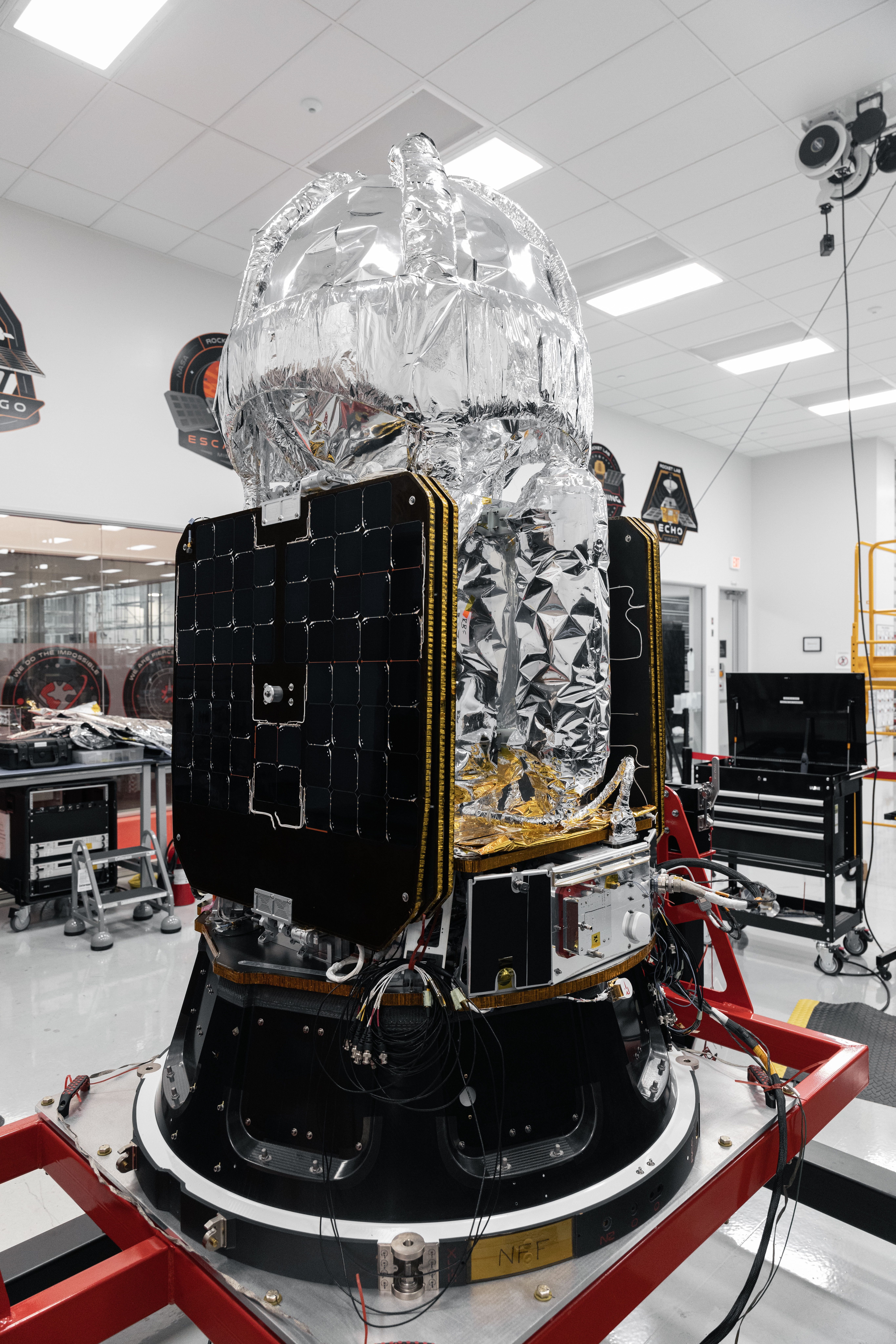
    NASA is collaborating with Eta Space of Rockledge, Florida, on an in‑orbit technology demonstration to advance a key capability for future deep space missions. The Liquid Oxygen Flight Demonstration, or LOXSAT, will test cryogenic fluid management technologies necessary for creating in-space propellant depots, essentially gas stations in space, that could support long-term exploration.

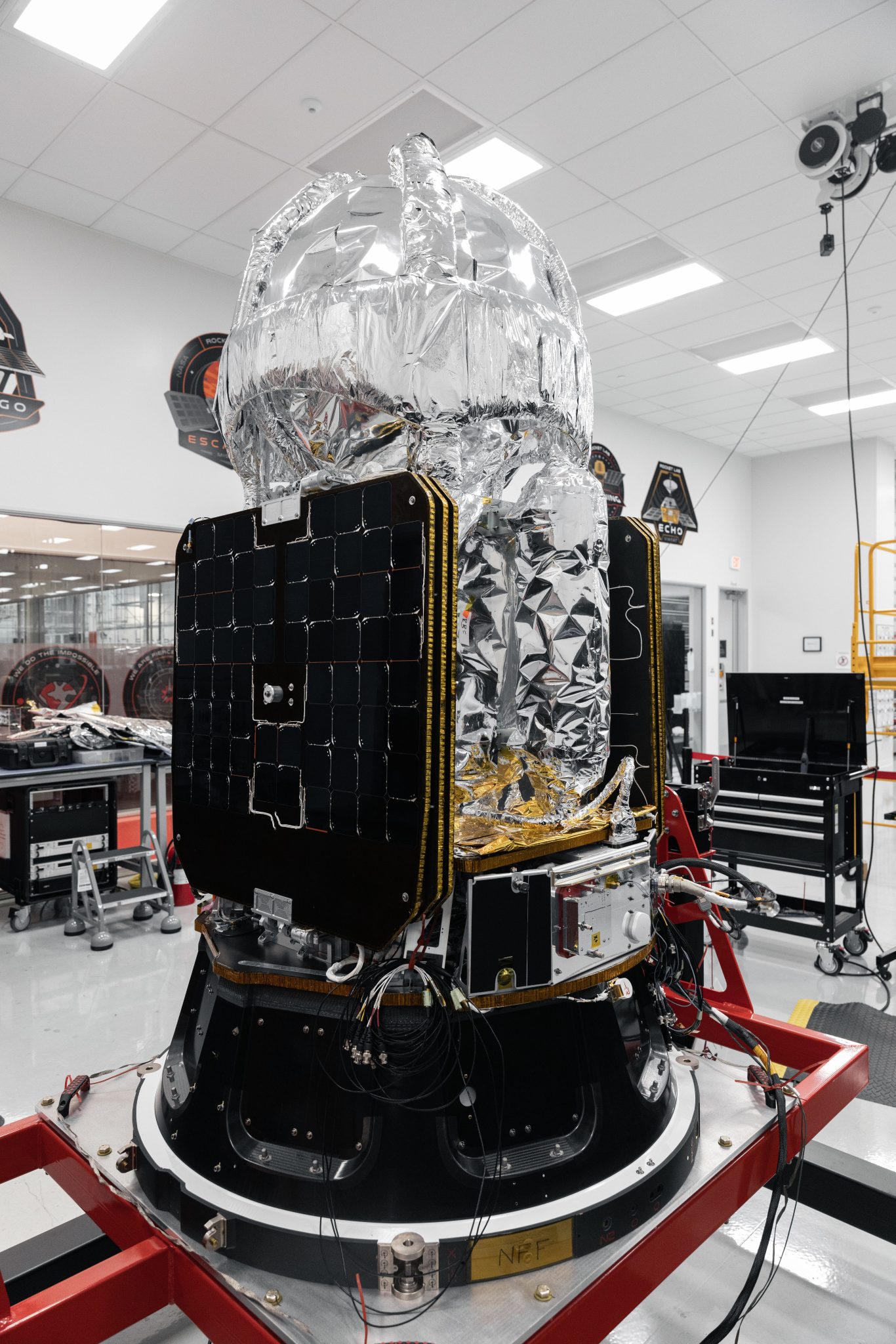
    The LOXSAT payload is displayed inside Rocket Lab’s Spacecraft Production Complex in Long Beach, California.
    The LOXSAT payload is displayed inside Rocket Lab’s Spacecraft Production Complex in Long Beach, California.
    Rocket Lab

    During a nine-month mission, LOXSAT will demonstrate 11 cryogenic fluid management technologies. Eta Space built LOXSAT as part of a NASA Tipping Point opportunity, and Rocket Lab is providing spacecraft and launch services to deliver it to low Earth orbit. The LOXSAT payload has been integrated with a Rocket Lab Photon satellite bus and will launch aboard the company’s Electron rocket from Launch Complex 1 on New Zealand’s Mahia Peninsula no earlier than July 17.

    The technologies that LOXSAT will demonstrate were selected to address the core challenges of using cryogenic, or super-cold, propellants in microgravity, including reducing boiloff, transferring propellant, maintaining tank pressure, and gauging propellant levels. Data collected from these tests will support development of future in-space propellant depots that could refuel spacecraft as they journey to the Moon, Mars, or other deep space destinations.

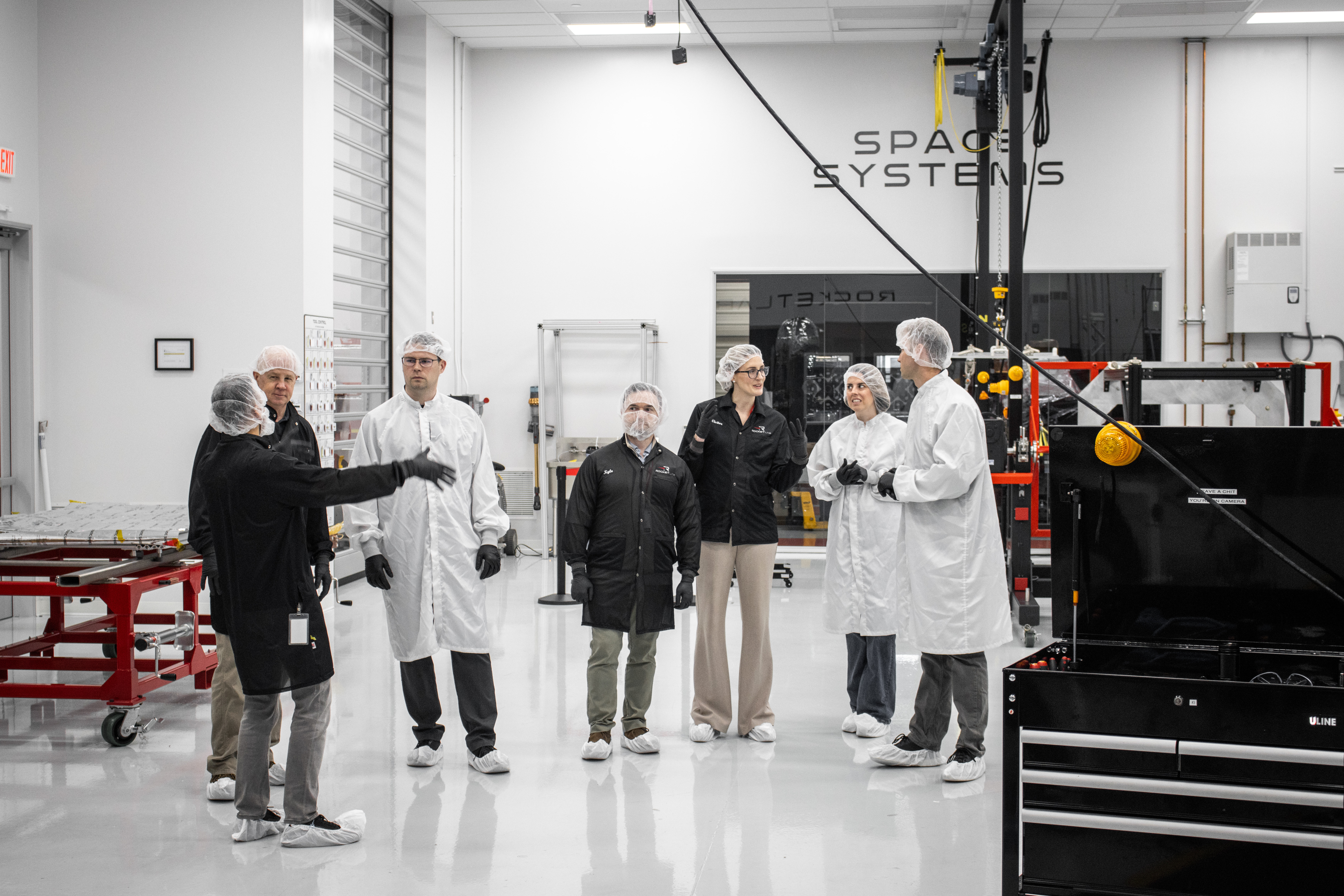
    Members of NASA’s Cryogenic Fluid Management project tour Rocket Lab’s Spacecraft Production Complex in Long Beach, California, on Thursday, Feb. 12, 2026 . The portfolio project team had the opportunity to view the LOXSAT payload and the setup for vibration testing. Credit
    Members of NASA’s Cryogenic Fluid Management project tour Rocket Lab’s Spacecraft Production Complex in Long Beach, California, on Thursday, Feb. 12, 2026 . The portfolio project team had the opportunity to view the LOXSAT payload and the setup for vibration testing. Credit
    Rocket Lab

    NASA’s LOXSAT team is composed of members of the Cryogenic Fluid Management Portfolio Project from NASA’s Marshall Space Flight Center in Huntsville, Alabama, Glenn Research Center in Cleveland, and Kennedy Space Center in Florida. The cryogenic portfolio’s work is part of NASA’s Space Technology Mission Directorate and includes more than 20 individual technology development activities.

    To learn more, visit:

    https://go.nasa.gov/49nbAO5

    Orijinal Kaynağa Git

  • La NASA s’appuie sur l’industrie pour son réseau de télécommunications sur Mars

    La NASA s’appuie sur l’industrie pour son réseau de télécommunications sur Mars

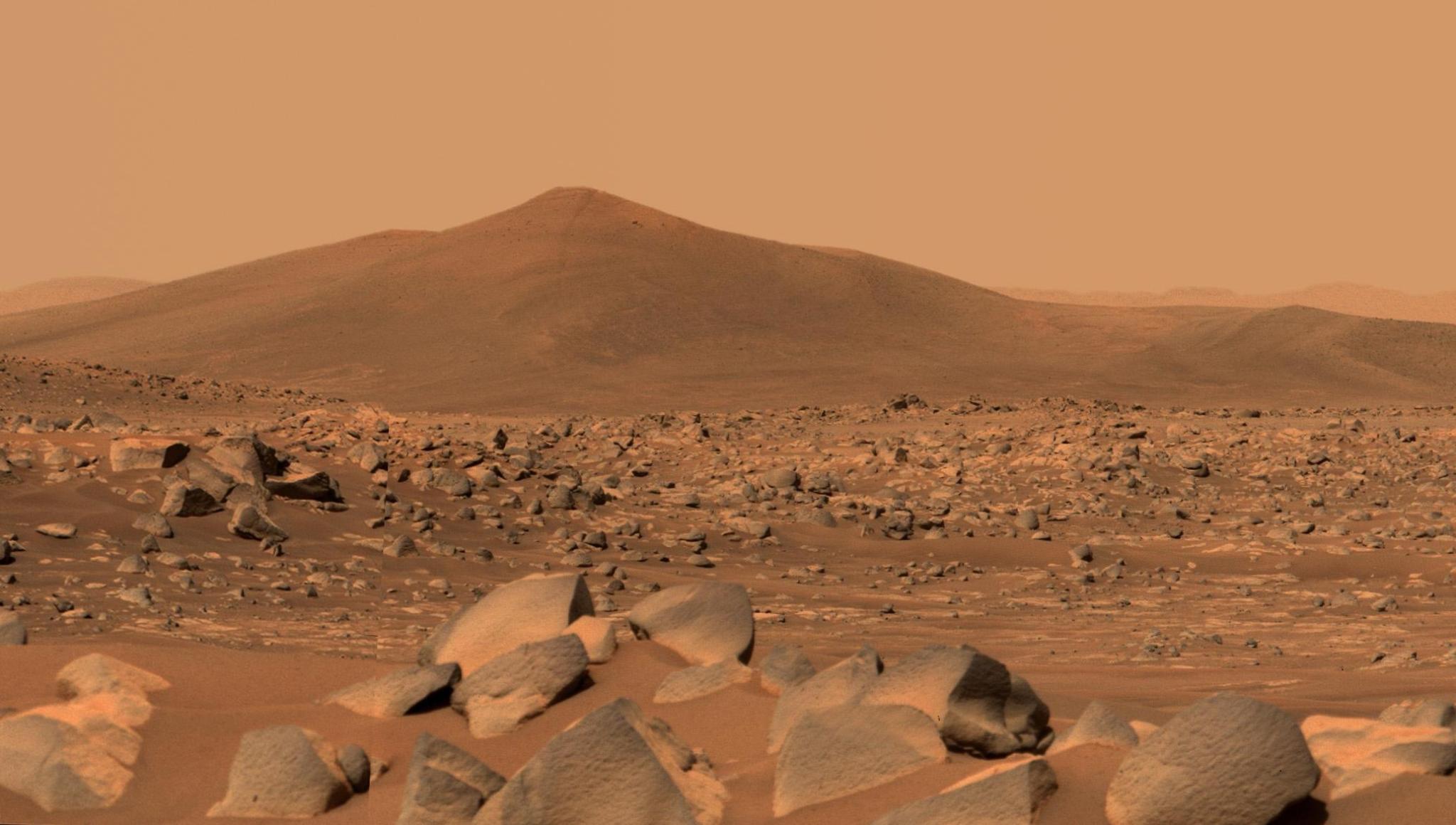
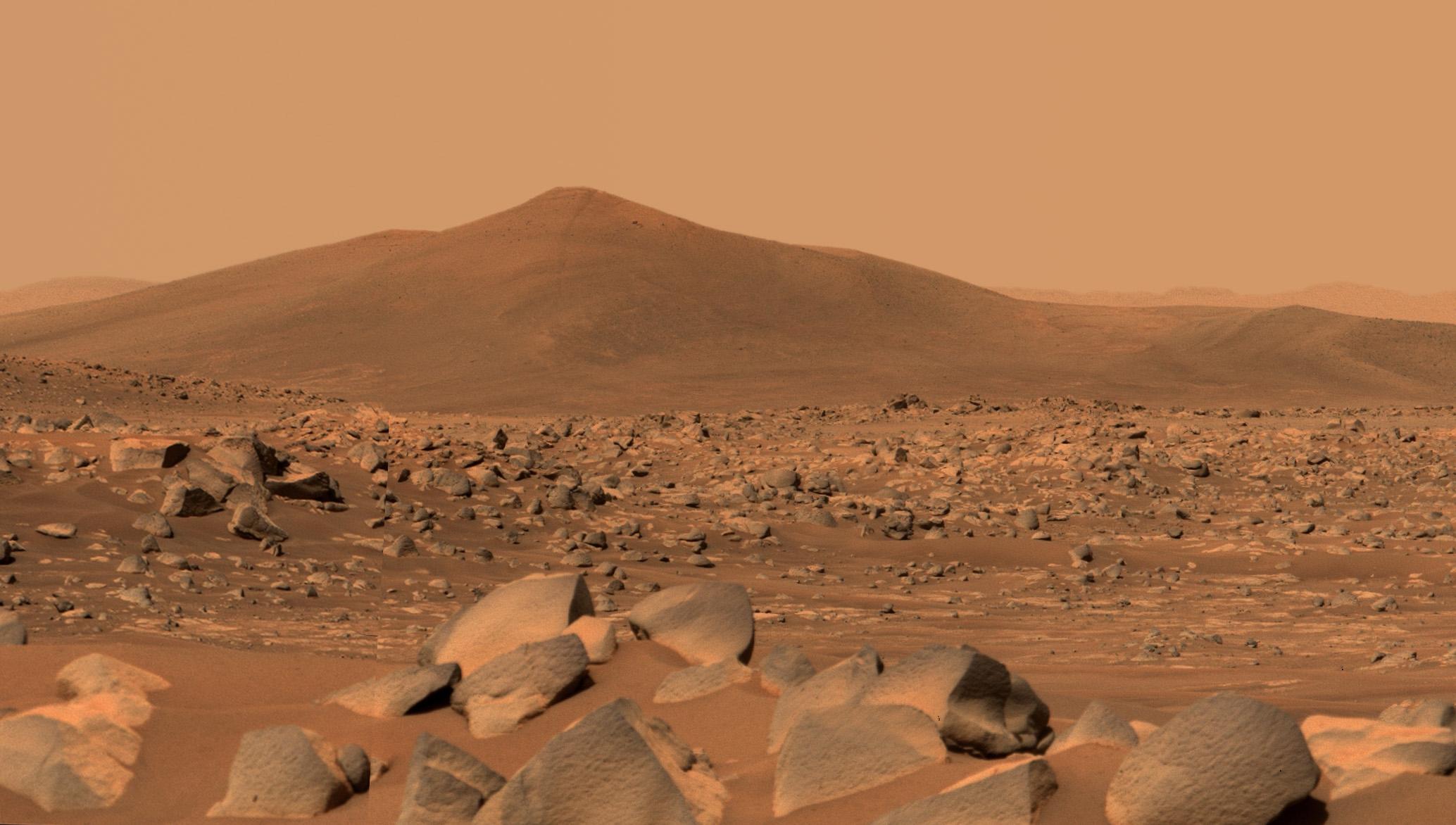
    Le rover Perseverance Mars de la NASA a utilisé son imageur Mastcam-Z à double caméra pour capturer cette image de « Santa Cruz », une colline à environ 2,5 kilomètres du rover, le 29 avril 2021.
    Crédit : NASA

    Jeudi, la NASA a publié un appel d’offres (RFP), sollicitant une collaboration industrielle pour le réseau de télécommunications de Mars.

    Des communications fiables à large bande passante sont nécessaires pour relayer les données scientifiques, les images haute définition et les informations critiques lors des missions sur Mars. Le réseau utilisera des orbiteurs de télécommunications martiens hautes performances sur la planète rouge pour prendre en charge les futures explorations de surface, orbitales et humaines.

    Cet appel d’offres s’appuie sur une ébauche publiée le 2 avril, ainsi que sur les informations recueillies lors de la journée de l’industrie qui l’a accompagnée au Goddard Space Flight Center de la NASA à Greenbelt, dans le Maryland, où les partenaires commerciaux ont fourni leurs commentaires sur les objectifs de l’agence pour le réseau de télécommunications de Mars.

    La demande recherche des réponses qui concernent à la fois les missions opérationnelles actuelles et futures. Il recherche également un hébergement pour la charge utile scientifique qui sera sélectionné par la Direction des missions scientifiques de la NASA. L’industrie est priée de répondre dans les 30 jours calendaires suivant la publication, et le réseau devrait être prêt à fonctionner sur Mars au plus tard en 2030.

    Le réseau de télécommunications de Mars fait partie de l’architecture spatiale évolutive de la NASA, étendant les services de réseau continus au-delà de la Terre jusqu’à la Lune et à Mars. Le réseau de télécommunications de Mars fait partie de la stratégie Moon to Mars du programme SCaN (Space Communications and Navigation) de la NASA, et est rendu possible par l’orientation et le financement fournis par le Congrès dans le cadre de la Working Families Tax Cut Act.

    Pour en savoir plus sur l’exploration de l’espace lointain de la NASA, visitez :

    https://nasa.gov/esdmd

    Aller à la source originale

  • Die NASA nutzt die Industrie für das Mars-Telekommunikationsnetzwerk

    Die NASA nutzt die Industrie für das Mars-Telekommunikationsnetzwerk

    Der Marsrover Perseverance der NASA nutzte seinen Mastcam-Z-Imager mit zwei Kameras, um dieses Bild aufzunehmen „Santa Cruz“, ein Hügel etwa 2,5 Kilometer vom Rover entfernt, am 29. April 2021.
    Quelle: NASA

    Am Donnerstag hat die NASA eine Ausschreibung (RFP) herausgegeben, in der sie eine Zusammenarbeit der Industrie für das Mars Telecommunications Network anstrebt.

    Zuverlässige Kommunikation mit hoher Bandbreite ist erforderlich, um wissenschaftliche Daten, hochauflösende Bilder und wichtige Informationen während Marsmissionen zu übermitteln. Das Netzwerk wird leistungsstarke Mars-Telekommunikationsobiter auf dem Roten Planeten nutzen, um die zukünftige Erforschung der Oberfläche, der Umlaufbahn und des Menschen zu unterstützen.

    Diese RFP basiert auf einem am 2. April veröffentlichten Entwurf sowie auf Erkenntnissen, die während des begleitenden Industrietages im Goddard Space Flight Center der NASA in Greenbelt, Maryland, gesammelt wurden, wo kommerzielle Partner Feedback zu den Agenturzielen für das Mars Telecommunications Network gaben.

    Mit der Anfrage werden Antworten gesucht, die sich sowohl auf aktuelle als auch zukünftige operative Missionen beziehen. Außerdem wird eine Unterkunft für die wissenschaftliche Nutzlast angestrebt, die vom Science Mission Directorate der NASA ausgewählt wird. Die Industrie wird gebeten, innerhalb von 30 Kalendertagen nach der Veröffentlichung zu antworten, und das Netzwerk sollte spätestens im Jahr 2030 auf dem Mars betriebsbereit sein.

    Das Mars Telecommunications Network ist Teil der sich entwickelnden Weltraumarchitektur der NASA und erweitert kontinuierliche Netzwerkdienste über die Erde hinaus bis zum Mond und zum Mars. Das Mars Telecommunications Network ist Teil der Moon to Mars-Strategie des SCaN-Programms (Space Communications and Navigation) der NASA und wird durch die vom Kongress im Working Families Tax Cut Act bereitgestellten Anweisungen und Mittel ermöglicht.

    Um mehr über die Weltraumforschung der NASA zu erfahren, besuchen Sie:

    https://nasa.gov/esdmd

    Zur Originalquelle gehen