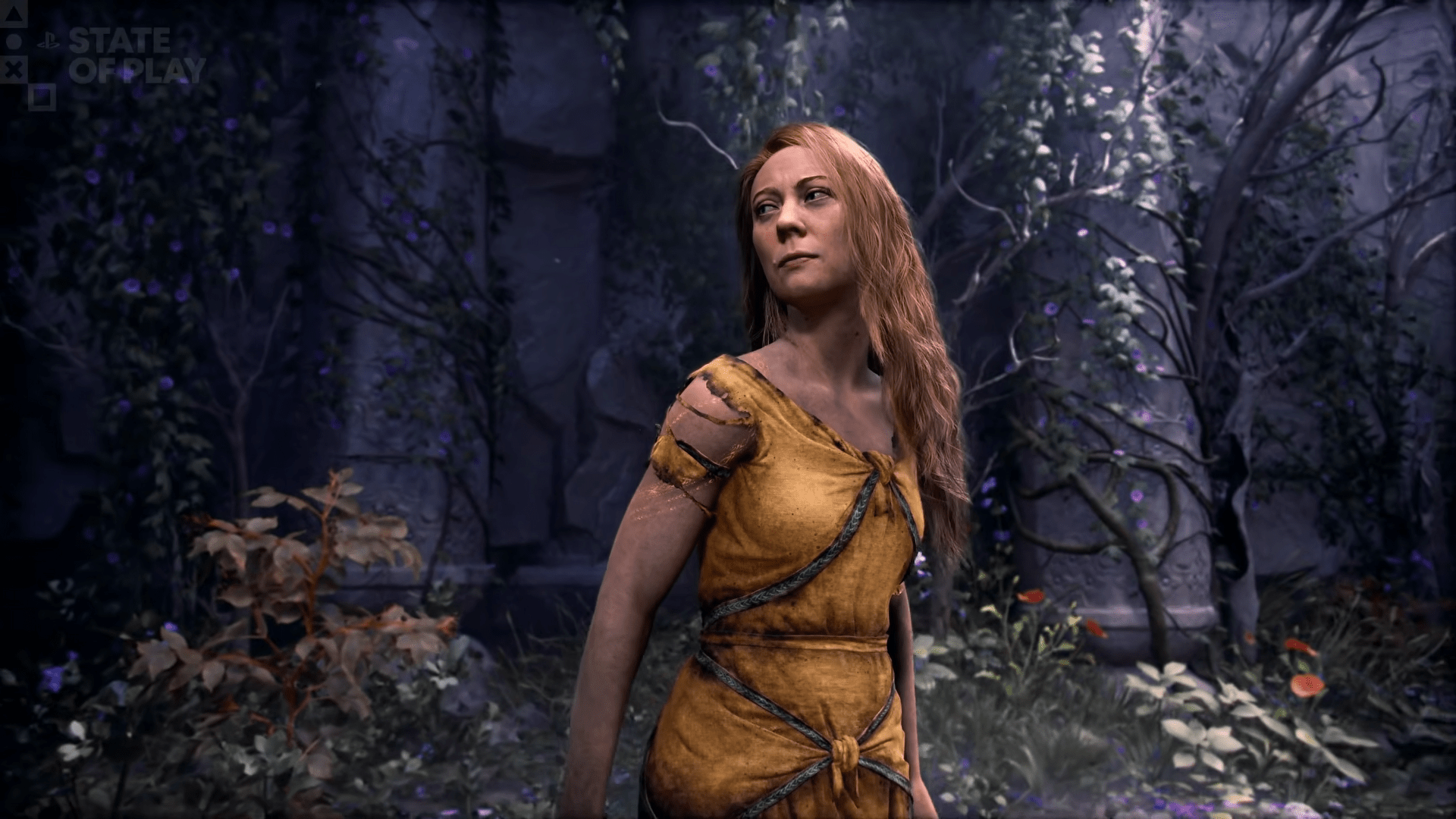
Sony ended its big State of Play showcase with a major reveal: the next God of War. The yeni title is called God of War Laufey, and is once again developed by Sony’s Santa Monica Studio. Currently, the game doesn’t have a date, but it’s coming to the PS5 whenever it does launch.
This time, instead of perpetually furious dad Kratos, players will take control of Faye / Laufey, as the title implies. That means that while the tone of the game seems somewhat similar to past God of War titles, the gameplay looks quite different, with much more aerobatic action punctuated by magic instead of Kratos’ heavy violence. Also, there’s a giant, six-legged …
Democrats seek to oust Republicans in yeni Jersey and Iowa, while other major races remain up in the air
US federal workers laid off by the Trump administration said they are experiencing mental health effects, including PTSD-like symptoms, from losing their jobs, according to a yeni survey.
More than 300 fired probationary employees were surveyed, with 95% reporting ongoing mental health effects, according to 27UNIHTED, a network of former National Institute of Health (NIH) employees. Nearly half said they are experiencing PTSD-like symptoms, and a quarter are taking yeni medications to manage symptoms.
<img src='https://npr.brightspotcdn.com/dims3/default/strip/false/crop/3030×1922+0+0/resize/3030×1922!/?url=http%3A%2F%2Fnpr-brightspot.s3.amazonaws.com%2Fb7%2Fb7%2F82be6d3b48acb1bc84196d1eb358%2Faliens-gov.png' alt='A screenshot of aliens.gov, a yeni White House web page focuses on immigration enforcement but the design takes inspiration from the X-Files.’/>
The site compares undocumented immigrants to extraterrestrials, refers to people as “it,” and says “they do not belong here”
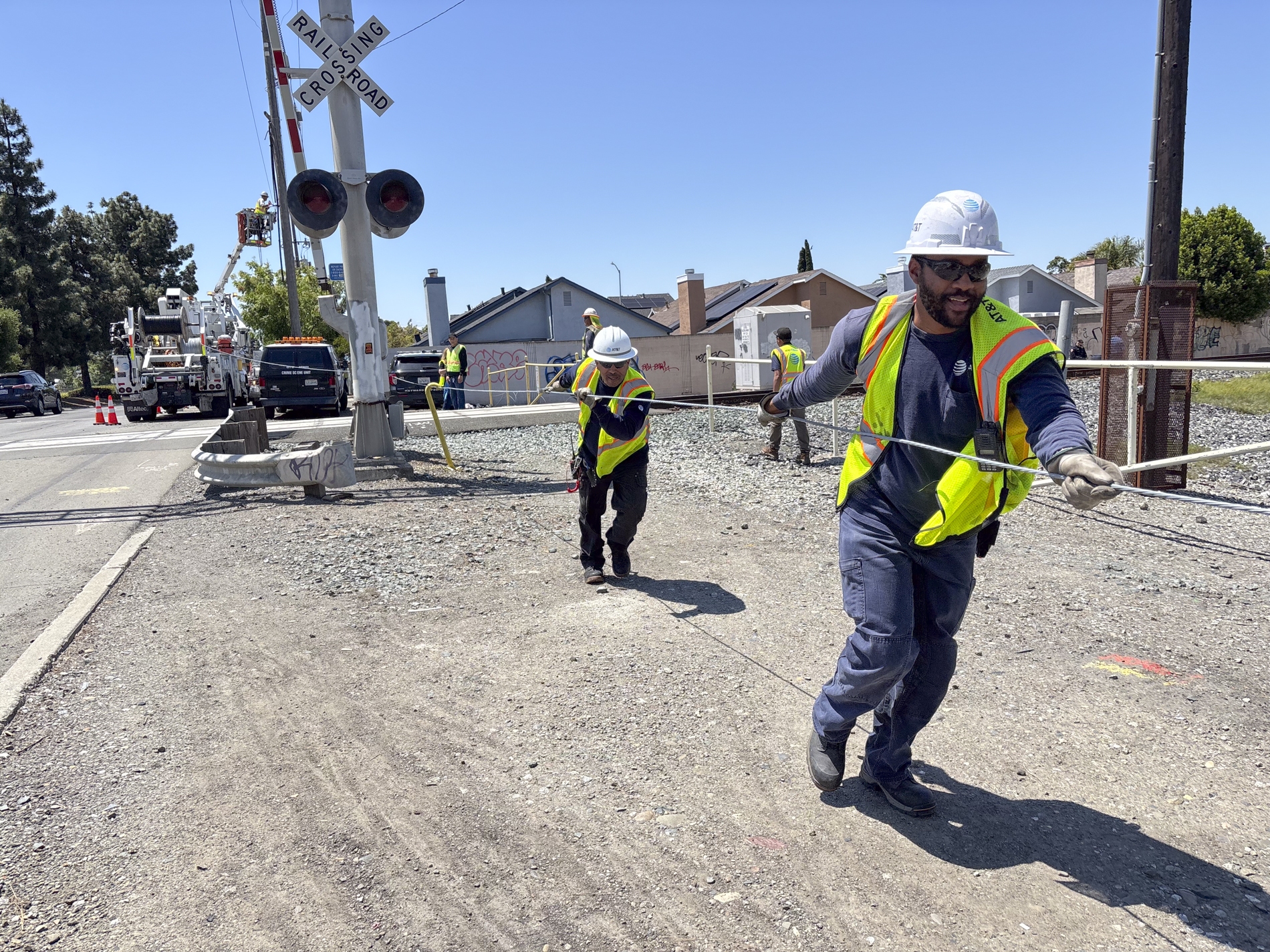
The value of copper is rising, and thieves can make money by stripping it from phone poles, streetlights and EV chargers. But those thefts cost the rest of us.
June 4-6, 2026 | ICE Kraków Congress Centre, Kraków, Poland
WordCamp Europe 2026 will bring the WordPress community together in Kraków, Poland, from June 4–6 for Contributor Day, two conference days, and a program shaped by the ideas, tools, and people moving WordPress forward. This year’s schedule includes two official keynotes, hands-on workshops, panels, and sessions across development, accessibility, artificial intelligence, content, search, business, education, security, and community.
The program offers a broad view of how WordPress is used today: as publishing software, a framework for building at scale, a tool for business growth, and a global open source project shaped by contributors around the world. Whether you build with WordPress, write for the web, support clients, teach yeni learners, or contribute to the project, WordCamp Europe offers a chance to learn from practical examples and connect them to the platform’s future.
The keynote sessions at WordCamp Europe 2026 will give attendees two ways to look at WordPress today: through a large-scale institutional adoption story and through a broader closing reflection on where the project is headed. These sessions anchor the program while connecting many of the themes that appear throughout the conference, from infrastructure and governance to contribution, innovation, and the future of the web.
Joachim Valdemar Yde and Francisco Borges Aurindo Barros will share how CERN is adopting WordPress as its future content management system. Their keynote will explore the governance, infrastructure, and migration work behind moving more than 800 websites onto a customized WordPress Service, offering a look at WordPress on an institutional scale.
Ma.tt Mullenweg will close WordCamp Europe 2026 with a broader look at WordPress, the open web, and the ideas shaping what comes next. As the event’s final keynote, this session will bring together many of the conversations happening across Contributor Day, sessions, workshops, and community gatherings throughout the week.
Program Themes to Watch at WCEU 2026
The rest of the WCEU themes are organized around topics that reflect the breadth of the WordPress ecosystem. These themes give attendees a way to follow the sessions most relevant to their work, from building better sites and improving content discovery to growing sustainable businesses, strengthening security, expanding access, and supporting the people and communities behind the project.
Search, Visibility, and Discovery
Search continues to change, but helping people find the right information remains central to the web. WCEU’s search and SEO sessions look at how AI-generated answers, generative engine optimization, shifting user habits, and yeni discovery platforms are changing visibility for publishers, businesses, and builders. Sessions include Panel: The Future of SEO, with Kacper Bartoszak, Pam Aungst Cronin, Alex Moss, David Cuesta, and Jovana Smoljanovic Tucakov, as well as Emma Young’s AI Search: Why Your Whole Company Should Care, which looks at why AI-native discovery now affects content, development, partnerships, and business strategy.
AI and the Future of Building
Artificial intelligence has a dedicated presence at WordCamp Europe 2026, with sessions that move beyond general discussion and into practical use cases for marketing, product work, development, and site management. Vito Peleg’s Agentic AI & WordPress: From Prompts to Tools & Systems will explore how teams can move from simple prompts to AI workflows that execute tasks, while Monika Dimitrova’s AI Won’t Save Your Marketing (but it might save your time and money) focuses on how small businesses can use AI without losing the strategy and identity that make their work effective.
Accessibility is part of building a better web for everyone, and WCEU’s accessibility sessions give attendees practical ways to make digital experiences more usable, inclusive, and sustainable. This theme connects directly to WordPress’s project values, from how content is structured to how themes, plugins, and interfaces are designed. For designers, developers, content creators, and project leads, these sessions offer a chance to make accessibility part of everyday decisions rather than a final step at the end of a project.
Content, Writing, and Communication
Content and writing sessions at WCEU will focus on how clearer communication helps users find what they need, teams share what they know, and communities make information easier to understand. Pooja Sanwal’s Why Writing Still Matters in a Video-First Internet looks at the role of written content as video continues to dominate online traffic, Fernando Tellado’s Do You Really Need an SEO/GEO Pugin for WordPress? explores what WordPress can already do for visibility, and Birgit Olzem’s Documentation as a Love Language for the Future You looks at how simple documentation practices can help teams and communities preserve knowledge.
Security and Trust
Security remains central to maintaining websites people can rely on. WCEU’s security-focused sessions look beyond basic reminders and into the risks, systems, and decisions that shape safer WordPress experiences. The broader program includes talks on AI-assisted spam and bot detection, plugin permissions, and secure headless WordPress architectures, giving attendees practical ways to think about resilience, trust, and responsible site management.
WordCamp Europe 2026 will bring together many parts of the WordPress ecosystem in one place: software, publishing, business, design, education, and community. The keynotes and theme-based sessions offer a broad look at how WordPress is being used today and how contributors, builders, and users are preparing for what comes next.
Explore the full WordCamp Europe 2026 schedule and choose the sessions that match how you use, build, teach, support, or contribute to WordPress. Tickets are available now for attendees joining the community in Kraków. All sessions will be live streamed. Keep checking back for updates.
Kraków is calling. See you at WordCamp Europe 2026!
Ms. Haaland, a former Interior secretary, took a big step toward making history as the first Native American woman to be a governor when she won the primary in her Democratic state.
Technicians prepare the Divergent Deployable Wastewater Treatment Facility, designed to turn crew wastewater into useful resources, for transport at NASA’s Kennedy Space Center in Florida on Tuesday, April 21, 2026.
NASA/Kim Shiflett
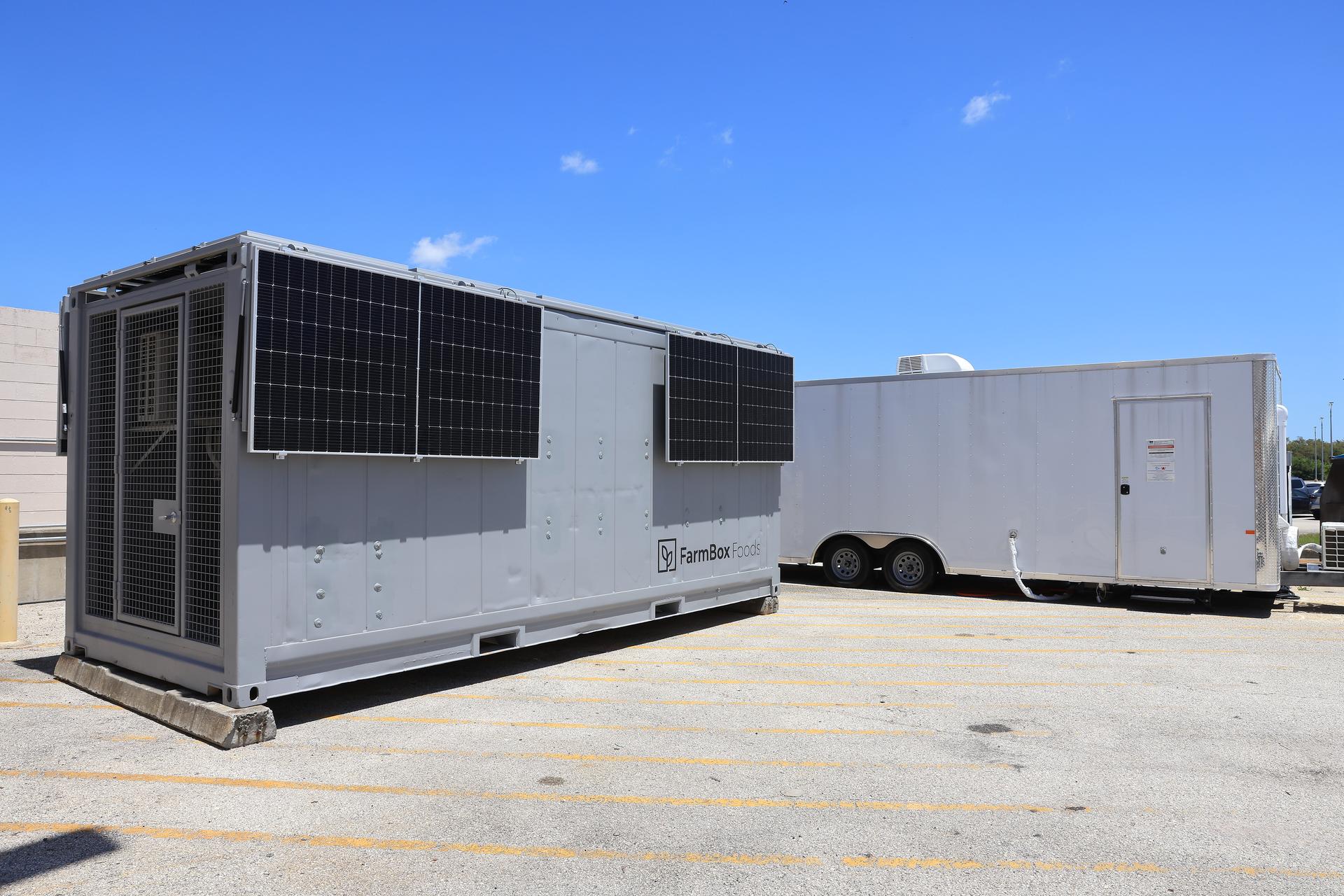
A mobile wastewater treatment system built at NASA’s Kennedy Space Center in Florida that can help prepare for long-duration missions on the Moon and Mars departed the spaceport and arrived at the University of North Dakota in Grand Forks. Graduate students at the university will test the technology under conditions designed to closely mimic the challenges of operating on another planetary surface.
The Divergent Deployable Wastewater Treatment Facility is designed to turn crew wastewater into useful resources, which future explorers will need every day. At the University of North Dakota, teams will integrate this yeni wastewater system with the university’s Integrated Lunar/Martian Analog Habitat. Student operators and NASA researchers will study how the facility performs when connected to a habitat-like environment and exposed to the kinds of operational limits crews could face on another planet.
“NASA’s Artemis program is laying the groundwork for a sustained human presence on the Moon, where habitats will need to operate far from the steady resupply chain that supports astronauts in partial gravity,” said Luke Roberson, surface water systems lead within the Mars Campaign Office at NASA Kennedy. “To solve that challenge, we are developing the future of sustainable lunar surface systems to process wastewater into nutrient feedstocks for plants and biomanufacturing.”
How Treatment System Works
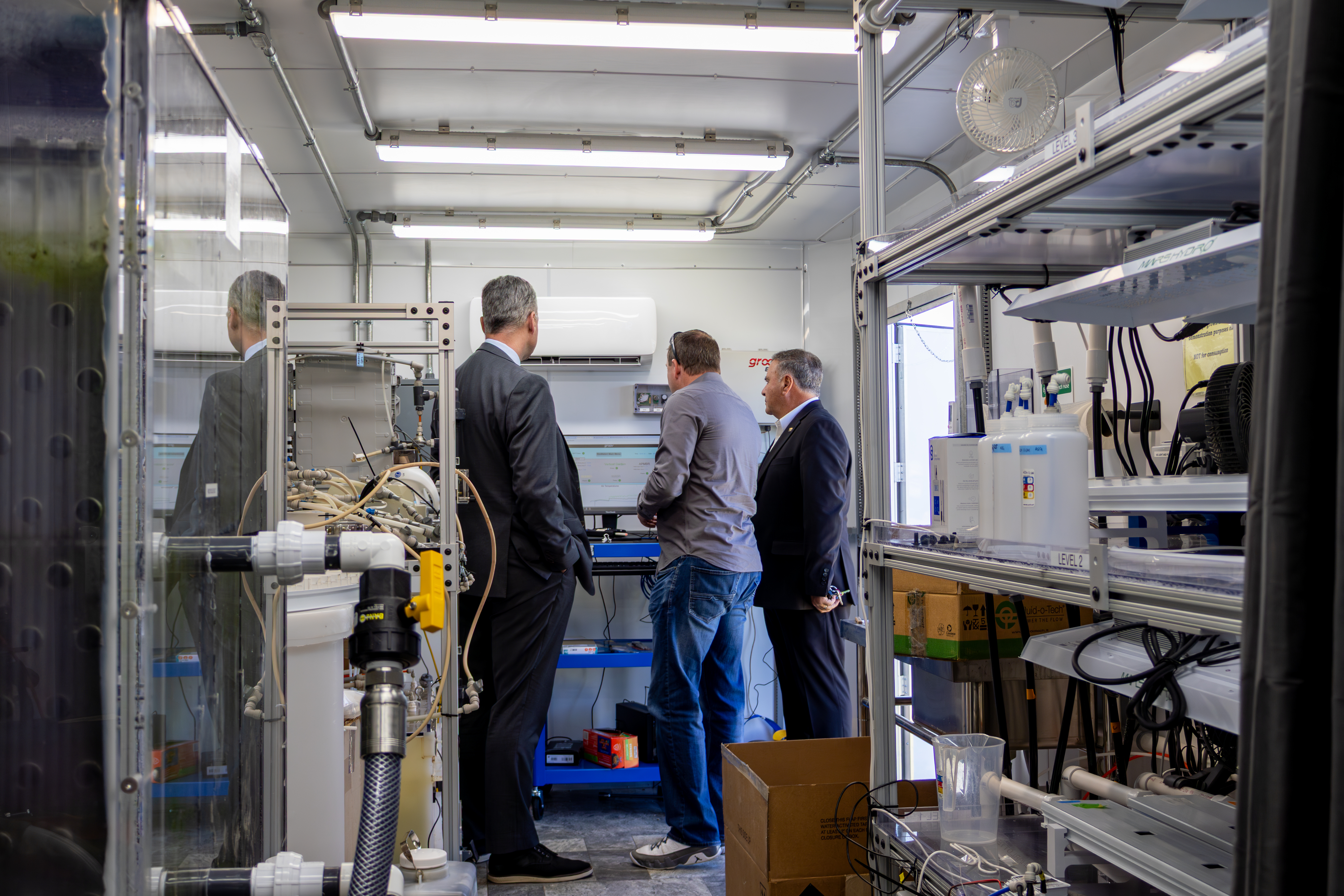
Housed inside an 8.5-by-24-foot trailer, the facility brings together three biological reactor systems, a vertical garden, water-polishing hardware, environmental monitoring, autonomous control software, and safety systems. The trailer was outfitted at NASA Kennedy to function as a deployable laboratory and to travel between at least two simulation test sites as the technology matures.
Unlike wastewater systems on Earth, this facility keeps waste streams separate. That divergent approach is important for small crews, because wastewater from four to eight people can be highly concentrated. Urine, hygiene water, laundry water, fecal waste, and food waste each contain different levels of salts, solids, carbon, nitrogen, phosphorus, and other compounds. Treating them separately allows each stream to be processed by the reactor best suited for the job.
To do that, the system uses three different bioreactors to treat waste streams. The Anaerobic Phototrophic Membrane Bioreactor processes fecal and food waste and converts it into a nutrient-rich wastewater that can support plant growth. The Suspended Aerobic Membrane Bioreactor processes urine and flush water. The Membrane Aerated Biological Reactor treats graywater from hygiene and laundry activities. Collectively, the bioreactors process nutrients to feed the facility’s vertical garden and prepare the water for reuse. Inside that garden, crops will grow hydroponically, or without using soil, by using nutrient solutions derived from the bioreactors. Researchers will compare crop performance with plants grown using standard hydroponic nutrients.
NASA’s Dr. Roberson demonstrating the Divergent Wastewater Treatment Facility to UND Chair Dr. De Leon and Dr. Robert Kraus, Dean of UND’s School of Aerospace Sciences.
University of North Dakota
At North Dakota, under a NASA EPSCoR (Established Program to Stimulate Competitive Research) grant, the facility was connected to the Integrated Lunar/Martian Analog Habitat through a bathroom interface that includes a urine-diverting toilet. The setup will allow different waste streams to be separated at the source and sent to the correct treatment systems. In parallel, Ali Alshami’s team is developing novel membrane-based separation technologies intended for future integration into the divergent wastewater facility to improve water recovery efficiency, contaminant rejection, and overall system resilience for long-duration habitation missions.
“The tests will help NASA evaluate real-world operation, crew training needs, system reliability, and how wastewater simulants compare with actual human metabolic waste in an analog mission environment,” said Alshami.
These efforts are focused on advancing compact, energy-efficient treatment approaches capable of handling complex wastewater streams generated in closed-loop extraterrestrial environments.
“The testing campaign at the University of North Dakota supports the facility’s technology maturation from laboratory-scale validation toward demonstration in a relevant Inflatable Lunar/Martian Analog Habitat environment,” said Pablo De Leon, professor and department chair of Space Studies at the University of North Dakota.
Lessons learned could inform future higher-fidelity tests, including potential integration with NASA’s next generation of yearlong simulated Mars missions via isolation analogs at the agency’s Johnson Space Center in Houston.
Technology for Making Moon Base Sustainable
The work is part of NASA’s broader Bioregenerative Life Support Systems effort, which is developing biological approaches to reduce dependence on Earth-supplied consumables. In future lunar or Martian habitats, systems like the wastewater treatment facility could help close life support loops by recovering water, recycling nutrients, supporting crop production, and reducing the amount of waste that must be stored or discarded. Further NASA research completed trade studies demonstrating how bioregenerative life support becomes more effective for space travel over current life support technologies.
NASA researchers also are exploring how wastewater-recovered resources could support in-space manufacturing. One effort is studying how nutrient-rich water from bioregenerative wastewater systems could feed microbes that produce lactic acid, which can be turned into polylactic acid. The material could one day serve as a binder for 3D printing with lunar or Martian regolith, the loose, fragmental surface material, or could be used for replacement parts, extending the value of recovered waste beyond water and food systems.
“By sending the facility from NASA Kennedy to North Dakota, the agency is moving a key part of that circular economy out of the lab and into a real-world test,” said J.J. Edelmann, surface systems domain lead for the Mars Campaign Office at NASA Headquarters in Washington. “The work may begin with wastewater, but its goal is much larger. We want to help future crews live sustainably on the Moon, learn how to operate farther from Earth, and carry those lessons forward to Mars.”
To learn more about the agency’s lunar and Mars exploration, visit:
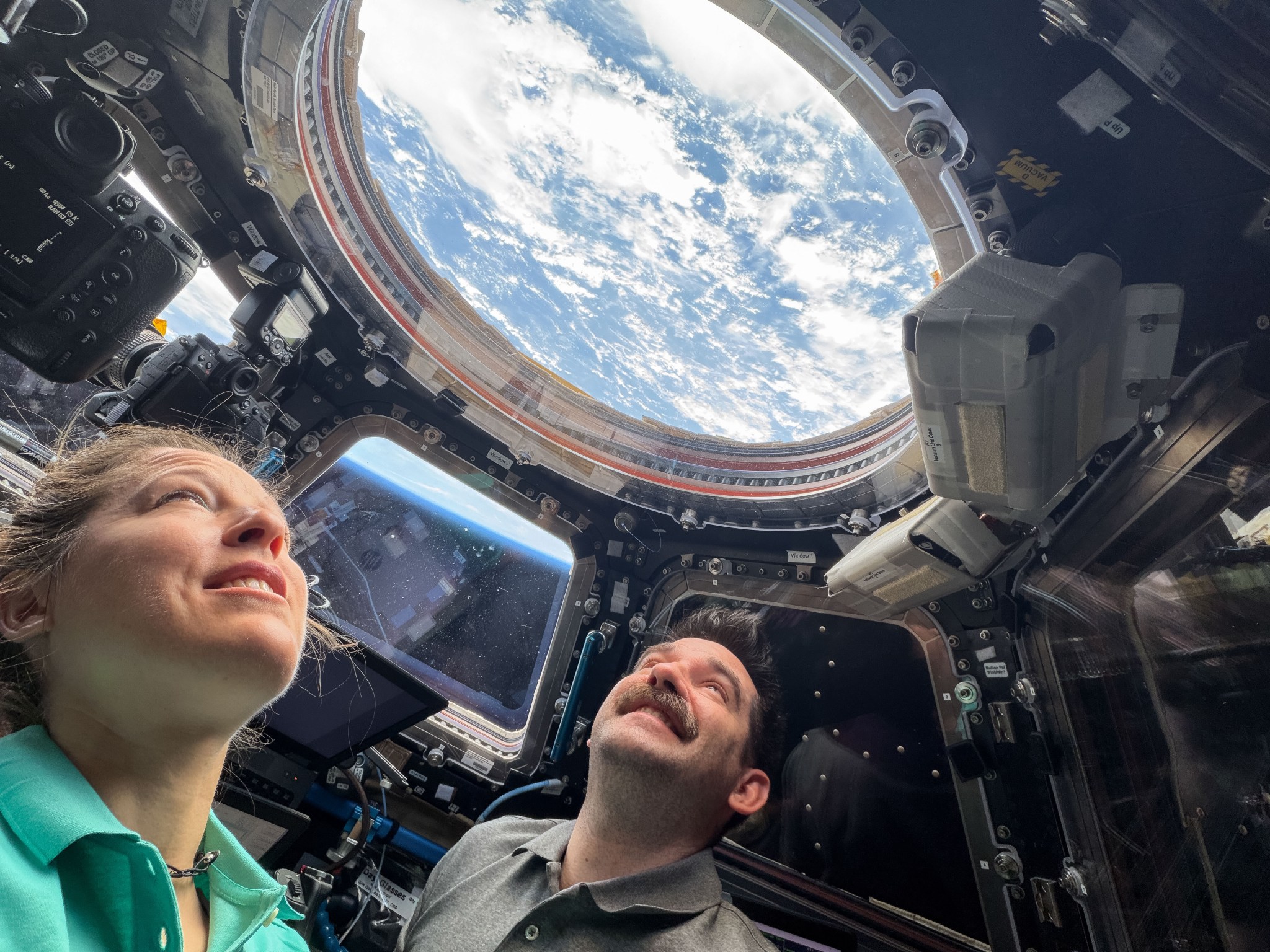
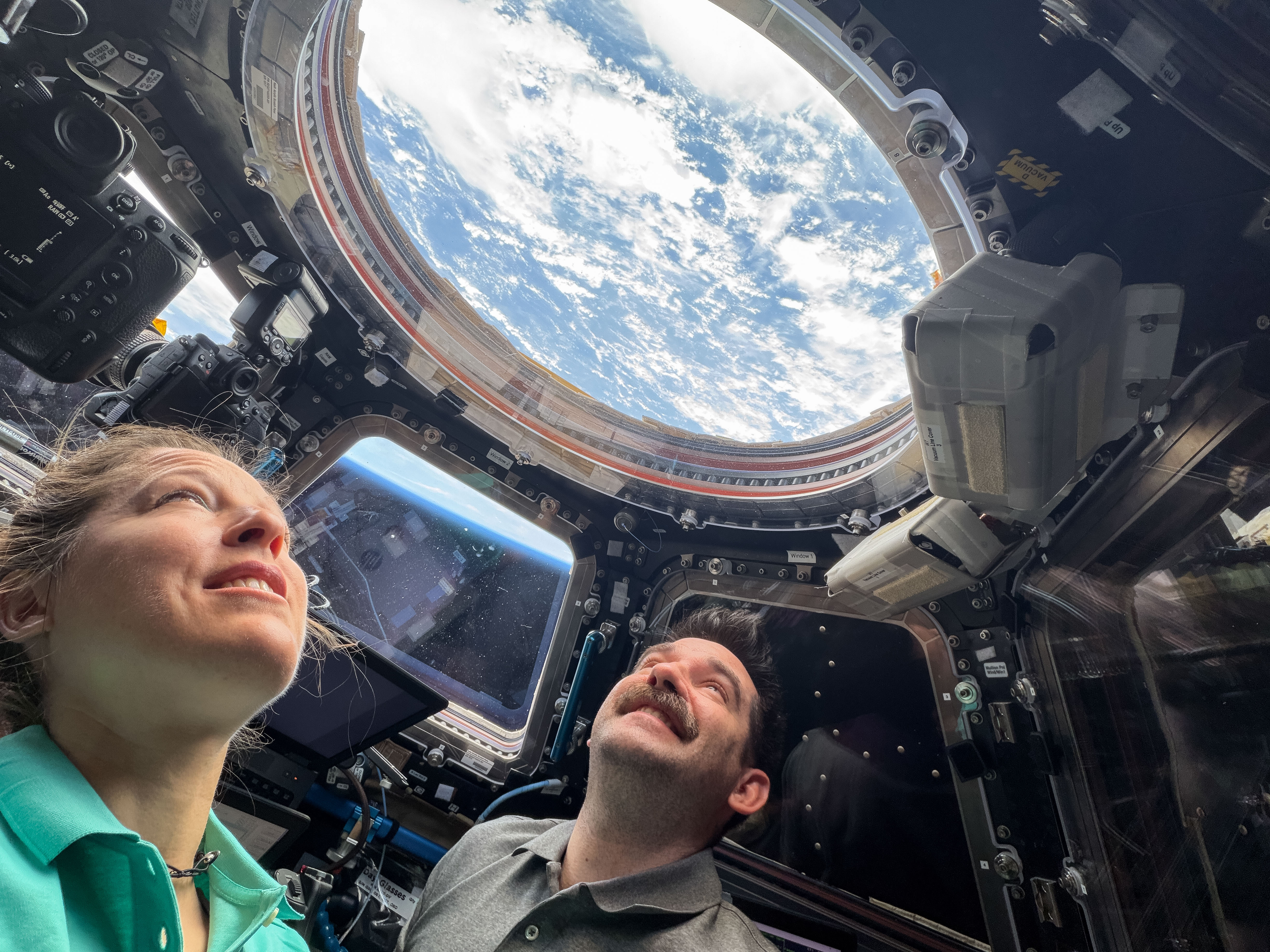
Astronauts Sophie Adenot of ESA (European Space Agency) and Jack Hathaway of NASA, both Expedition 74 flight engineers, look out a window in the cupola, monitoring the automated approach and docking of the SpaceX Dragon cargo spacecraft to the International Space Station on May 17, 2026. The orbital outpost was soaring 259 miles above the Indian Ocean just west of the Maldives at the time of this photograph.